Grain-Free Dog Food: Wholesale & Private Label Sourcing Guide
Grain-free demand has settled into a stable share of the wholesale dog food market, but building or sourcing a grain-free line raises formulation questions a standard kibble program doesn't: what replaces the grain, how that substitution affects cost and kibble structure, and what a manufacturer actually needs to prove nutritional adequacy without it. This guide covers the sourcing and formulation side — see our grain-free claims guide for the regulatory/labelling detail and our grain-free vs. grain-inclusive comparison for the consumer-facing tradeoffs.

What actually replaces the grain
Grain-free formulas substitute carbohydrate/binder sources like peas, lentils, chickpeas, sweet potato, or potato in place of wheat, corn, or rice. The substitution isn't cosmetic — legumes and tubers bring a different starch structure and fiber profile than cereal grains, which changes extrusion behavior (the kibble-forming process) and can require a manufacturer to adjust moisture content, extruder temperature, or binder ratio to get a comparable kibble shape and shelf stability. A manufacturer with genuine grain-free production experience will have already solved this; one converting a standard recipe on request may need a real formulation-development pass, not a simple ingredient swap.
Nutritional adequacy without grain
Removing grain doesn't relax the underlying AAFCO or FEDIAF nutrient-adequacy requirement — a grain-free formula still has to meet the same complete-and-balanced profile as any other adult maintenance or all-life-stages dog food (see our AAFCO and FEDIAF certification guides). The formulation task is proving the substitute carbohydrate blend delivers equivalent energy, fiber, and micronutrient support, which is a real formulation exercise a competent manufacturer documents, not something a buyer should take on faith.

Cost impact of grain-free formulation
Legume and tuber-based carbohydrate sources are generally more expensive per tonne than wheat, corn, or rice, so a grain-free formula typically carries a real ingredient-cost premium over an equivalent grain-inclusive recipe — buyers should build this into private-label margin planning from the outset rather than assuming grain-free pricing can match a standard formula's cost structure.
Private label MOQ and formulation lead time for grain-free
MOQ for a grain-free private-label run generally follows the same tiering as standard dog food — driven by packaging tooling and mixing-batch size more than the nutrient profile itself — but buyers should confirm the manufacturer has an existing grain-free recipe base to adapt rather than requesting a from-scratch formulation, since a genuinely new grain-free recipe adds real development time (palatability and extrusion testing specifically) beyond a standard reformulation.
Have questions before you keep reading?
Get pricing, MOQs and lead times for your market.
Verifying a manufacturer's grain-free production experience
Ask specifically whether the manufacturer runs grain-free production on the same line as grain-inclusive product, and if so, how they manage cross-contact — this matters for any buyer whose grain-free positioning implies an allergen-sensitive audience. Request a recent grain-free formulation example and its actual extrusion parameters rather than a general assurance the manufacturer 'can do grain-free.'
Labelling and claims discipline
A grain-free product's label claims need to match its actual formulation precisely — see our grain-free claims guide for what 'grain-free' legally requires versus adjacent terms like 'gluten-free' or 'ancient-grain,' which mean different things and shouldn't be used interchangeably in private-label copy.
Format and packaging considerations
Grain-free kibble sometimes runs a slightly different bulk density than grain-inclusive kibble because of the substitute starch source, which can affect bag-fill weight calibration — confirm this with the manufacturer during formulation approval rather than assuming a direct swap onto existing packaging specifications.
Ready to move forward?
Connect with our team to structure your order, timeline and volumes.
Market positioning versus grain-inclusive
Grain-free is no longer a novelty positioning — see our grain-free vs. grain-inclusive comparison for the consumer-facing tradeoffs a retail partner will expect a buyer to understand before stocking either format. Buyers building a private-label range should decide deliberately whether grain-free is a core SKU or a premium-tier addition alongside a grain-inclusive base line, rather than defaulting to grain-free without a clear rationale.
Ingredient traceability for novel legume and tuber sources
A grain-free formula's legume or tuber sourcing carries its own traceability question — buyers should ask where the pea, lentil, chickpea, or sweet potato supply originates and whether the manufacturer can document consistent sourcing, since ingredient-supply disruption in one of these crops can force an unplanned recipe adjustment mid-production run in a way a commodity grain like corn or wheat, with far deeper global supply liquidity, typically doesn't.
How Candora Petcare supports grain-free sourcing
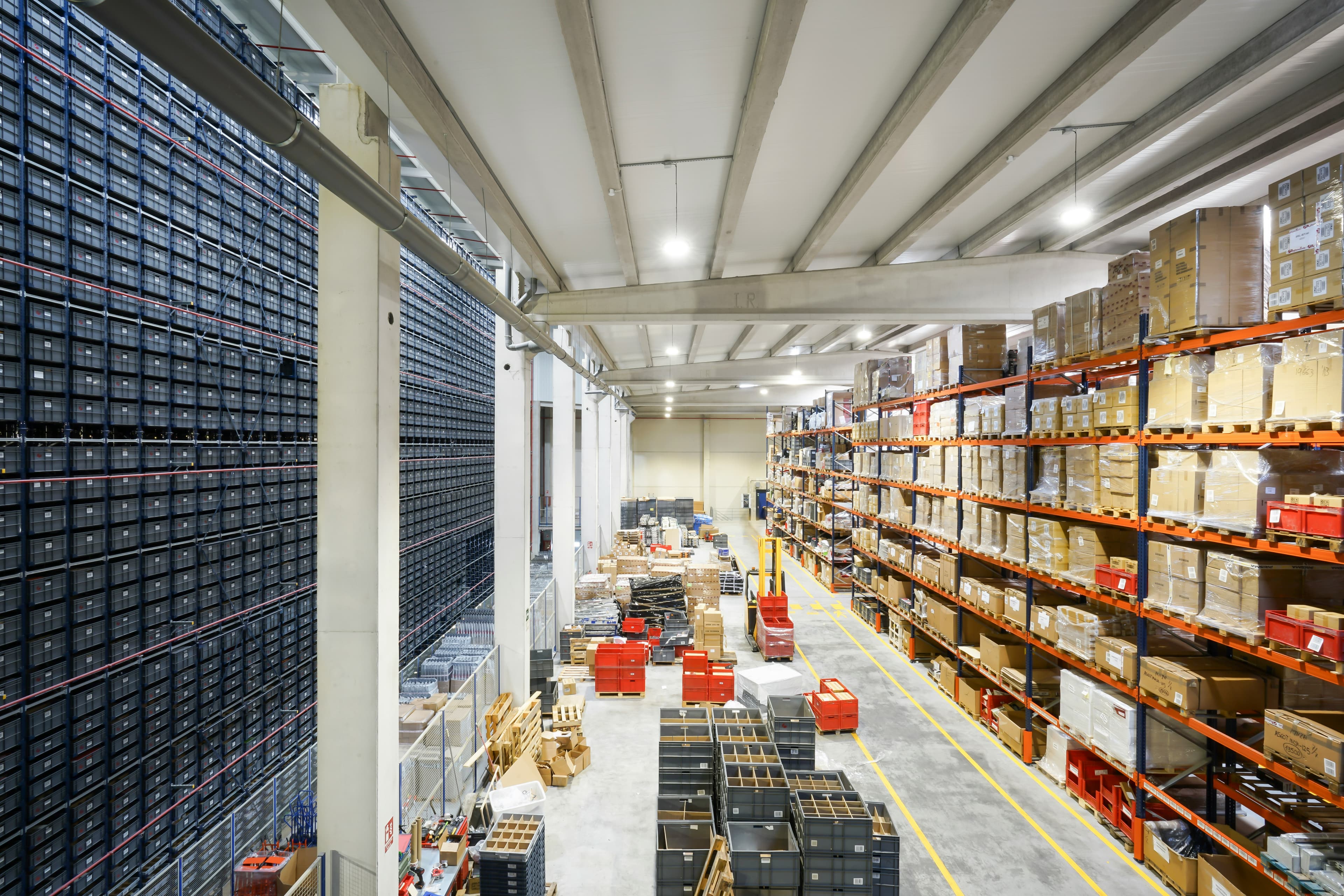
Candora Petcare sources dog food formulations based on what a buyer actually needs — including grain-free private-label programmes — coordinating formulation development, AAFCO/FEDIAF adequacy documentation, and production scheduling with manufacturers experienced in grain-free extrusion.
FAQ
Frequently asked questions
Yes, when properly formulated — grain-free food still has to meet the same AAFCO or FEDIAF complete-and-balanced nutrient profile as any other dog food; the substitute carbohydrate source (legumes, sweet potato, potato) has to be formulated to deliver equivalent nutritional support.
Generally yes — legume and tuber-based carbohydrate sources typically cost more per tonne than wheat, corn, or rice, so grain-free formulas usually carry a real ingredient-cost premium buyers should build into margin planning.
Not without real formulation work — substituting legumes or tubers for grain changes extrusion behavior and moisture/temperature requirements, so ask specifically about a manufacturer's existing grain-free production experience rather than assuming a simple ingredient swap.
This page covers wholesale sourcing and formulation; the grain-free claims guide covers what the label claim 'grain-free' legally requires and how it differs from adjacent terms like gluten-free.
Sometimes — the substitute starch source can shift kibble bulk density slightly, which can affect bag-fill weight calibration, so confirm this with the manufacturer during formulation approval.
There's no universal answer — decide deliberately whether grain-free is a core SKU or a premium-tier addition alongside a grain-inclusive base line, based on your target retail channel's positioning, not by default.
Ready to get started?
Contact our team to discuss volumes, pricing, and supply structures for your market.
Related