FCL vs. LCL: Choosing a Shipping Method for Pet Food Wholesale Orders
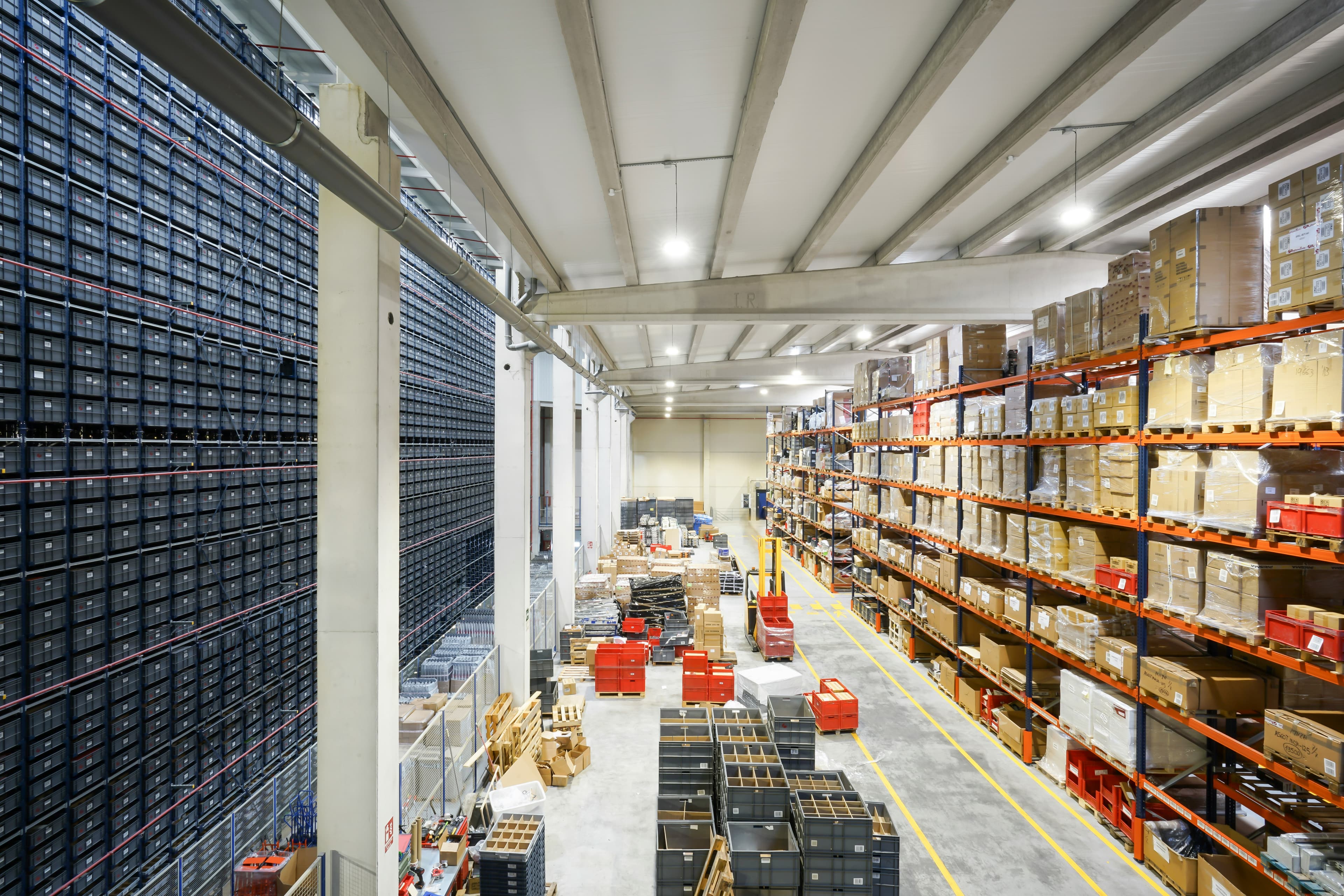
A full container load and a less-than-container load aren't just different price points — they're different risk profiles, different transit timelines, and a genuinely different fit depending on where a buyer is in their volume growth. This guide breaks down the real tradeoffs specifically for pet food shipments, where contamination and moisture sensitivity make the shared-cargo question more consequential than it is for many other goods.

What FCL and LCL actually mean
FCL (full container load) means a buyer's cargo fills an entire 20ft or 40ft container that ships sealed and untouched from origin to destination. LCL (less than container load) means a buyer's cargo shares a container with other shippers' goods, consolidated at origin and deconsolidated at destination by a freight forwarder. Both are standard, legitimate shipping methods — the right choice depends mainly on order volume and how much handling risk a buyer is willing to accept for a smaller shipment.
Cost per unit: where the crossover actually sits
LCL is priced by cargo volume (cubic metres, CBM) or weight, plus consolidation and deconsolidation handling fees layered on top — for a genuinely small order, LCL is cheaper in absolute terms than paying for a full container. But because LCL pricing scales with volume while FCL's price is fixed regardless of how full the container is, the cost balance typically shifts in FCL's favour somewhere around 15+ CBM of cargo, depending on the specific FCL rate for the lane. Buyers should model both options against their actual order volume rather than defaulting to whichever method they used last time.

Transit time: FCL is faster and more predictable
FCL cargo moves as a sealed unit with fewer touchpoints, generally giving shorter and more consistent transit times. LCL cargo goes through consolidation at origin and deconsolidation at destination — each step can add several additional days to the total transit timeline, and those added days are less predictable than ocean transit itself, since they depend on how quickly a forwarder can fill or empty a shared container. Buyers on a tight launch timeline should factor this consolidation/deconsolidation buffer into LCL planning explicitly, not treat LCL transit time as equivalent to FCL minus a small margin.
Contamination and handling risk — the pet food-specific concern
LCL cargo is handled multiple times during consolidation and deconsolidation and shares physical space with other shippers' goods that may not be packed or secured to the same standard. This carries a documented higher risk of contamination or cross-contact for food-category shipments specifically, compared to chemicals or general merchandise sharing a container with less sensitivity. For pet food — a category where packaging integrity and freedom from contamination genuinely matter for both compliance and shelf-stability reasons — this is a real factor to weigh, not a theoretical one, particularly for a buyer's first LCL shipment with a new consolidator.
Have questions before you keep reading?
Get pricing, MOQs and lead times for your market.
Container fill and pet food's own weight/volume dynamics
As covered in our wet vs. dry pet food comparison, dry kibble is light and bulky (typically hitting a container's volume limit before its weight limit), while wet food is dense (typically hitting the weight limit first). This affects FCL economics specifically: a dry kibble FCL shipment can often add more product weight-efficiently within the same container, while a wet food FCL shipment may leave unused container volume once weight limits are reached — buyers should model this against their actual SKU mix, since it changes the real per-unit cost of an FCL shipment beyond the headline freight quote.
MOQ alignment: LCL as the practical fit for a first or trial order
LCL is the practical shipping method for a palletised pilot order or a first shipment below a manufacturer's or freight lane's efficient FCL threshold — it lets a buyer validate product, packaging, and market fit without committing to full-container volume upfront. This mirrors the pilot-order pattern covered in our bulk pet food container programme guide, applied specifically to the shipping-method decision rather than the production MOQ decision.
When FCL fits
FCL fits buyers with order volumes at or above the roughly 15+ CBM range where its fixed cost starts beating LCL's per-CBM pricing, buyers prioritising the fastest and most predictable transit time, and buyers for whom eliminating shared-cargo contamination risk matters enough to justify committing to full-container volume even slightly ahead of strict cost-efficiency.
When LCL fits
LCL fits buyers still validating demand with a pilot or trial order below efficient FCL volume, buyers prioritising the lowest absolute shipping cost for a genuinely small order, and buyers who've confirmed their consolidator has experience handling food-category cargo carefully rather than treating pet food the same as general merchandise sharing the container.
Ready to move forward?
Connect with our team to structure your order, timeline and volumes.
Common mistakes buyers make choosing between FCL and LCL
The most common mistake is comparing LCL and FCL purely on headline freight quotes without adding LCL's consolidation and deconsolidation handling fees, which can meaningfully close or even reverse the apparent cost gap once fully accounted for. The second is underestimating LCL's added transit-time variability on a tight launch timeline, and the third — specific to pet food — is not asking a consolidator directly about their food-cargo handling practices before a first LCL shipment, treating pet food like any other general cargo sharing the container.
Transitioning from LCL to FCL as volume grows
Most wholesale buyers start with LCL for a pilot order, then move to FCL once reorder volume consistently clears the efficient-cost threshold for their trade lane — a natural progression that mirrors how MOQ negotiation typically works on the production side. Confirm with your freight forwarder what volume specifically makes sense to make that switch on your actual lane, rather than applying a generic rule of thumb across every origin-destination pair.
How Candora Petcare supports FCL and LCL shipping decisions
Candora Petcare helps buyers model real landed cost across FCL and LCL options for their actual order volume and SKU mix, and works with freight partners experienced in food-category cargo handling for buyers starting with an LCL pilot shipment before scaling to a full-container programme.
FAQ
Frequently asked questions
Roughly around 15+ CBM of cargo, though the exact crossover depends on the specific FCL rate for the trade lane — model both options against your actual order volume rather than assuming a fixed threshold.
Yes, meaningfully — LCL's shared-container handling carries a documented higher contamination and cross-handling risk for food-category shipments compared to less sensitive general merchandise, worth weighing specifically for pet food.
Consolidation at origin and deconsolidation at destination each add handling steps — and days — beyond the ocean transit time itself, and these added days are less predictable than sealed-container FCL transit.
Most start with LCL for a smaller pilot order to validate product and market fit, then move to FCL once reorder volume consistently clears the efficient-cost threshold for their trade lane.
Yes — dry kibble typically hits a container's volume limit before its weight limit, while wet food typically hits the weight limit first, which changes the real per-unit cost of an FCL shipment depending on SKU mix.
Ask directly about their food-cargo handling practices and what other goods typically share container space, rather than assuming pet food is handled the same as general merchandise.
In absolute terms yes for a genuinely small shipment, but add LCL's consolidation and deconsolidation handling fees before comparing — these can close the apparent cost gap more than a headline freight quote suggests.
Ready to get started?
Contact our team to discuss volumes, pricing, and supply structures for your market.
Related