Raw Pet Food Cold Chain: Logistics Buyers Need to Get Right
Raw frozen pet food demands an unbroken cold chain from production through final delivery — a genuinely different logistics discipline than the ambient-temperature freight most pet food buyers are used to. This guide covers what actually needs to be in place, and where cold chains commonly break down.

What 'unbroken cold chain' actually means
An unbroken cold chain means the product stays within its required temperature range at every single stage — production freezing, cold storage, freight (whether air, road, or sea), destination warehousing, and final delivery — with no gap where temperature control lapses, even briefly. A single break, such as a delayed customs inspection with product sitting at ambient temperature, can compromise both food safety and product quality even if the rest of the chain was handled correctly. Buyers new to this category should treat cold chain integrity as a first-order sourcing criterion, not a logistics detail to sort out after the manufacturer relationship is already established.
Temperature monitoring and documentation
A properly managed raw pet food shipment includes continuous temperature logging (not just spot checks) throughout transit, with documentation available on request — buyers should ask a prospective manufacturer or freight partner exactly how temperature is monitored and logged, and request to see actual logging data from a recent shipment rather than accepting a general assurance that cold chain is maintained. This logging data is also useful evidence to keep on file in case a food-safety question arises after delivery.
Freight options for raw frozen pet food
Raw frozen pet food typically moves via refrigerated ocean freight (reefer containers) for bulk international shipments or refrigerated road freight for shorter distances and final-mile delivery — air freight is occasionally used for smaller, time-sensitive shipments but carries meaningfully higher cost. Buyers should confirm which freight mode a supplier is quoting and what temperature range the specific equipment maintains.
Bonded and cold storage warehousing
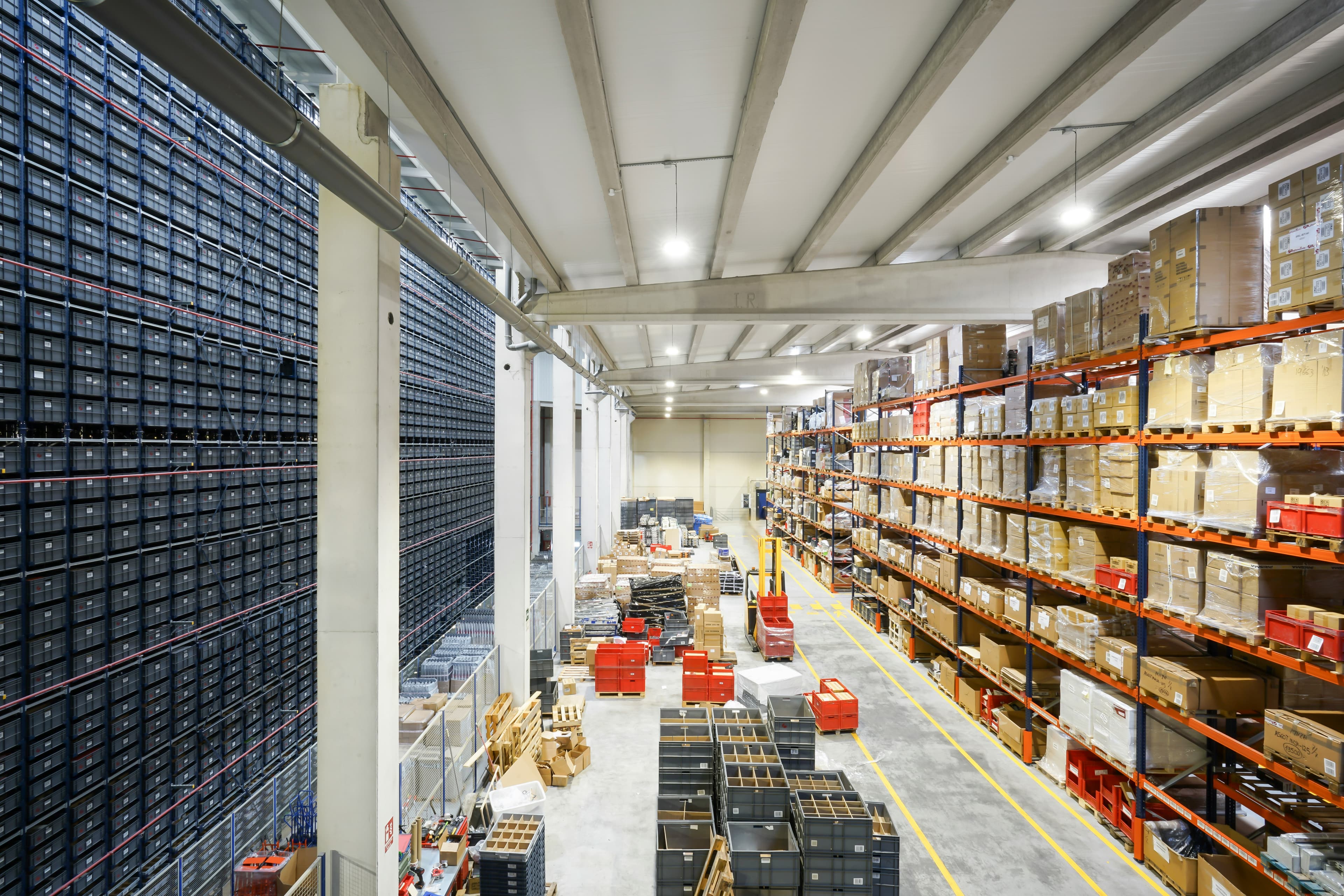
Destination warehousing for raw frozen pet food needs dedicated cold or frozen storage capacity, distinct from standard ambient warehousing used for kibble or freeze-dried product — confirm your own or your distribution partner's facility actually has adequate frozen storage capacity for the volume you're planning before committing to a raw pet food programme, since this is a real infrastructure requirement, not just a logistics line item.
Have questions before you keep reading?
Get pricing, MOQs and lead times for your market.
Where cold chains commonly break down
The most common failure points are customs/border inspection delays (product sitting at an inspection facility without active refrigeration), last-mile delivery using standard rather than refrigerated vehicles, and inadequate destination warehouse capacity forcing product into inappropriate storage. Buyers should map out every handoff point in their specific supply chain and confirm cold chain continuity at each one individually, not just at the origin and destination.
Import documentation and cold chain requirements together
Raw pet food import documentation (APHIS/FDA requirements for the US, EU Animal By-Products Regulation compliance for the EU — see our raw pet food wholesale suppliers guide) and cold chain logistics need to be planned together, since border inspection processes can introduce exactly the kind of temperature-control gap described above if not coordinated with the shipment's cold chain plan in advance.
Cost implications of cold chain logistics
Refrigerated freight and cold storage carry meaningfully higher costs than ambient freight and warehousing — buyers should build these into landed cost calculations explicitly rather than applying a standard freight cost assumption, since underestimating cold chain cost is a common planning mistake for buyers new to the raw pet food category. Getting an accurate quote for the full cold chain, not just production cost, early in the sourcing process avoids an unpleasant surprise later.
Ready to move forward?
Connect with our team to structure your order, timeline and volumes.
Working with a cold-chain-experienced logistics partner
Ask a prospective freight forwarder or logistics partner specifically about their experience with frozen food shipments (not just general refrigerated goods, which can include less temperature-sensitive products) and request references from actual raw pet food or frozen food clients rather than general cold chain claims.
Insurance and liability considerations for cold chain failures
Given the higher stakes of a cold chain break — potential product loss, food-safety risk, and reputational damage — buyers should confirm what insurance coverage applies to a shipment if temperature control is compromised in transit, and who bears responsibility for that loss under the agreed incoterms and freight contract. This is worth clarifying explicitly before a first raw pet food shipment rather than assuming standard cargo insurance automatically covers a temperature-related loss, since many standard policies treat this as a distinct risk category requiring specific coverage.

How Candora Petcare supports raw pet food cold chain logistics
Candora Petcare coordinates cold chain freight, temperature monitoring documentation, and destination warehousing planning for buyers sourcing raw frozen pet food, working with manufacturers and logistics partners who can demonstrate genuine, recent frozen-food shipping experience.
FAQ
Frequently asked questions
The product stays within its required temperature range at every stage — production, storage, freight, and delivery — with no gap, even brief, where temperature control lapses.
Through continuous temperature logging throughout transit, not just spot checks. Ask to see actual logging data from a recent shipment rather than accepting a general assurance.
Refrigerated ocean freight (reefer containers) for bulk international shipments, refrigerated road freight for shorter distances, and occasionally air freight for smaller, time-sensitive shipments at higher cost.
Customs/border inspection delays without active refrigeration, last-mile delivery using non-refrigerated vehicles, and inadequate destination warehouse frozen storage capacity.
Yes — dedicated cold or frozen storage, distinct from standard ambient warehousing used for kibble or freeze-dried product. Confirm actual capacity before committing to a programme.
Yes — refrigerated freight and cold storage carry meaningfully higher costs. Build this into landed cost calculations explicitly rather than applying standard freight cost assumptions.
Ready to get started?
Contact our team to discuss volumes, pricing, and supply structures for your market.
Related