Pet Treats Bulk Wholesale: Volume Programmes by Format
Treats bulk economics differ from both pet food and from each other across formats — a biscuit production line, a jerky drying line, and a dental chew extrusion line all carry different fixed costs, and that shows up directly in MOQ and lead time. This guide covers how bulk treats sourcing actually works.

Why treats bulk economics vary more than pet food
Pet food bulk economics are driven mainly by dry-vs-wet format; treats bulk economics are driven by production method itself — baking, extrusion, drying, or filling/sealing for lickable formats — each carrying distinct fixed setup costs that shape MOQ differently than the dry/wet split does for dog and cat food. Understanding which production method a specific treat actually uses is the starting point for any realistic MOQ conversation, since two treats that look similar on a shelf can come off production lines with entirely different capacity constraints.
MOQ by treats format
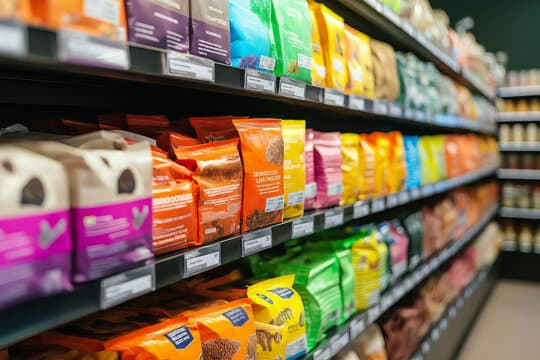
Biscuits and baked treats generally carry the most flexible MOQs, since baking lines scale down relatively well and can typically switch between different recipes with minimal changeover time. Jerky and dental chews typically carry higher MOQs given more specialised drying or extrusion equipment and longer changeover times between production runs. Lickable treats sit closer to wet pet food MOQ economics, given the filling/sealing line requirement and the pouch-format packaging this format depends on. Request MOQ broken out by format rather than a single blended figure for a mixed treats range, since a blended number can obscure which specific format is actually driving the overall minimum.
Palletised pilot orders for treats
As with any pet food category, a palletised pilot order — smaller than a full container — is the standard way to validate treat quality, shelf stability, and packaging integrity after transit before committing to container-scale volume. This is worth doing separately per format if launching a multi-format treats range, since each format's production and packaging risk profile differs.
Full container programmes for treats
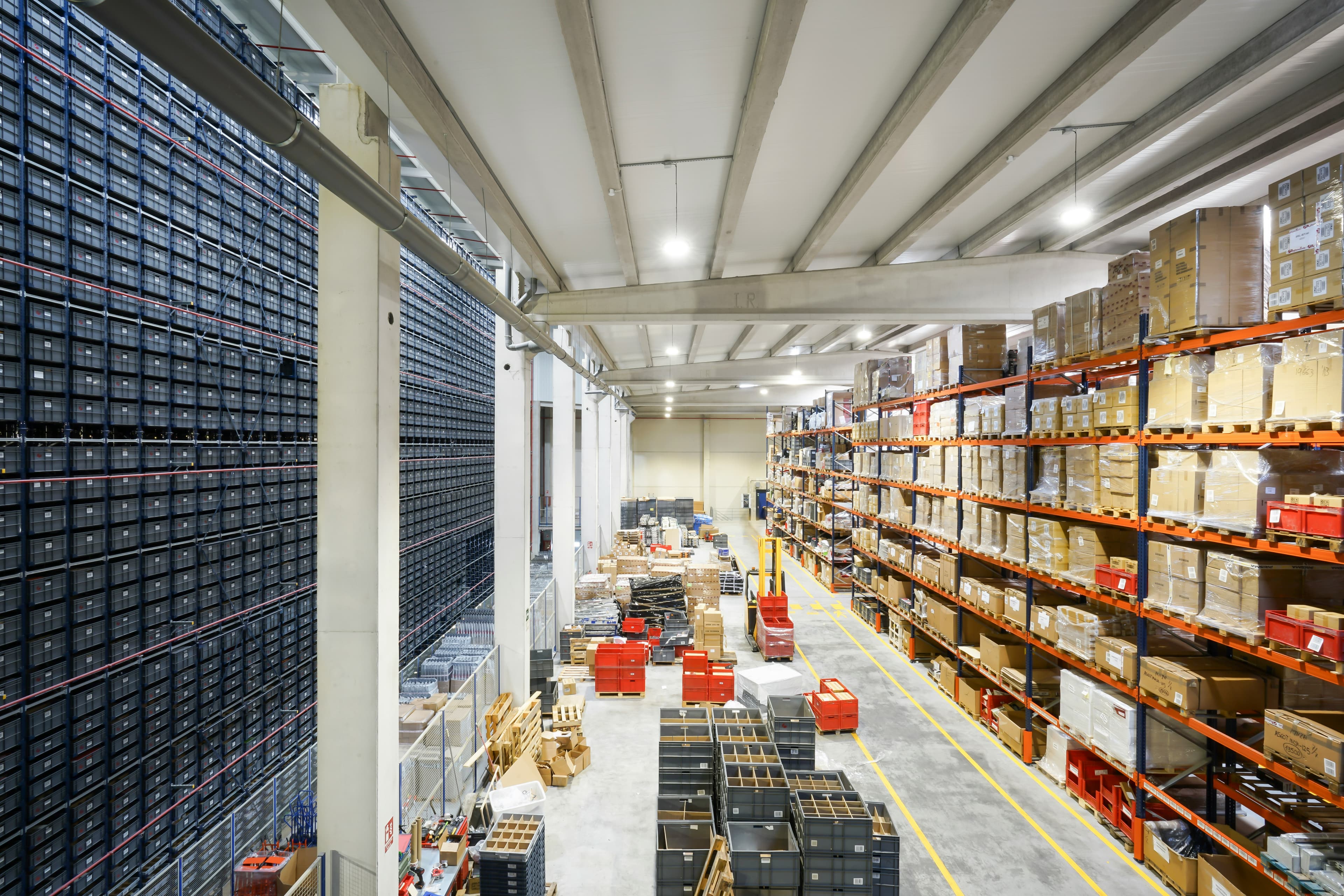
A full-container treats programme can typically mix multiple formats and SKUs, but this needs planning around each format's palletisation requirements — a biscuit and a jerky product don't palletise or handle identically. Confirm the palletisation plan with the factory before finalising a multi-format container mix.
Have questions before you keep reading?
Get pricing, MOQs and lead times for your market.
Shelf life considerations across treat formats
Baked biscuits and dental chews generally carry long, kibble-like shelf lives; jerky treats' shelf life depends heavily on moisture content and packaging barrier properties; lickable treats' shelf life is governed by their sealed-pouch format similar to wet food. Confirm actual shelf-life data per format rather than assuming a single figure covers a mixed treats range.
Freight and landed cost for a mixed treats container
As with any mixed-format bulk programme, model landed cost (product, freight, duty) per format within a shared container rather than assuming a blended average — jerky and lickable treats, in particular, can carry meaningfully different weight-to-volume ratios than dry biscuits or dental chews.
Lead times for bulk treats production
Standard lead times for bulk treats run broadly similar to pet food (4-8 weeks from order confirmation to shipment), though jerky drying and dental chew extrusion can run toward the longer end depending on the factory's production line capacity and existing commitments, so buyers on a tight launch timeline should confirm current line availability early rather than assuming a standard quoted lead time still applies.
Bulk treats and private label together
Buyers building both a bulk wholesale and a private label treats programme should confirm with the manufacturer whether both can be supported from the same production relationship — see our private label manufacturer guide and dental chews private label guide for category-specific detail that layers on top of the bulk mechanics here.
Ready to move forward?
Connect with our team to structure your order, timeline and volumes.
Common mistakes buyers make with bulk treats orders
The most common mistake is quoting a single blended MOQ across a multi-format treats order rather than confirming format-specific minimums, which can produce a container plan that looks efficient on paper but doesn't actually match what the factory's separate production lines can deliver together. The second is underestimating how differently jerky and lickable treats behave in freight versus dry biscuits and dental chews — their weight-to-volume ratios and handling requirements diverge enough that a container plan optimised for one doesn't automatically work for the other.
Insurance and quality considerations for bulk treats shipments
As with any bulk pet food order, confirm what quality inspection and insurance coverage applies if a shipment arrives with packaging damage or quality issues — this matters more for a mixed-format treats container than a single-format order, since a problem affecting one format (say, a jerky drying issue) shouldn't necessarily hold up the rest of a mixed shipment if it's independently verifiable, and buyers should get this partial-hold-versus-full-hold policy confirmed in writing before the first mixed-format container ships.
How Candora Petcare structures bulk treats programmes
Candora Petcare coordinates format-specific MOQ and production scheduling across the treats range — biscuits, jerky, dental chews, and lickable treats — managing the full path from pilot order through to a recurring container programme.
FAQ
Frequently asked questions
Treats bulk economics are driven by production method (baking, extrusion, drying, filling/sealing) rather than just a dry/wet split, and each method carries distinct fixed setup costs that shape MOQ differently.
Biscuits and baked treats generally carry the most flexible MOQs, since baking lines scale down relatively well compared to jerky drying, dental chew extrusion, or lickable-treat filling lines.
Yes, but this needs planning around each format's specific palletisation and handling requirements — confirm the plan with the factory before finalising a multi-format container mix.
Significantly — baked biscuits and dental chews carry long, kibble-like shelf lives; jerky depends on moisture content and packaging; lickable treats follow wet-food-like sealed-pouch shelf life.
Broadly 4-8 weeks from order confirmation to shipment, similar to pet food, though jerky drying and dental chew extrusion can run toward the longer end.
Yes, if launching a multi-format range — each format carries a different production and packaging risk profile worth validating separately before committing to container-scale volume.
Ready to get started?
Contact our team to discuss volumes, pricing, and supply structures for your market.
Related