Dog Food Bulk Wholesale: Container Economics and Programme Structure
Buying dog food at bulk volume changes the economics of a retail or distribution business, but only if the container programme is structured correctly. This guide covers how bulk dog food wholesale actually works — from pallet math to full-container shipping — for buyers scaling beyond small-format orders.

What counts as bulk in dog food wholesale
Bulk dog food wholesale generally starts at palletised volume (a full pallet of a single SKU) and scales to full container loads — a 20ft container typically holds roughly 20-24 tonnes of dry kibble depending on bag size and palletisation, while a 40ft container holds close to double that. Buyers below palletised volume are usually better served by a standard wholesale relationship rather than a bulk programme, since bulk pricing depends on the cost efficiencies of full-pallet and full-container logistics. The volume threshold where bulk pricing actually becomes worthwhile varies by market and format, but as a rough guide, buyers moving fewer than 5-10 pallets per order per quarter typically don't see meaningful savings over standard wholesale terms once freight and handling are factored in.
Dry kibble vs. wet food bulk economics
Dry kibble is the more straightforward bulk category: it's shelf-stable, palletises efficiently, and dominates container-load economics. Wet food (cans and pouches) is heavier per unit of nutritional value and often has different palletisation and temperature-handling requirements, which changes the cost-per-tonne calculation. A bulk programme covering both formats should be quoted and planned separately rather than as a single blended order. Buyers building a full-range bulk assortment should expect two separate pricing conversations rather than a single blended quote across formats.

Palletised pilot orders
For buyers new to bulk sourcing, a palletised pilot order — a handful of pallets rather than a full container — is the standard way to validate a supplier relationship before committing to container-scale volume. This lets you confirm product quality, packaging integrity after transit, and delivery reliability at manageable financial exposure before scaling to a full programme.
Full container programme structure
A standard full-container dog food programme is typically built around 20ft or 40ft FCL (full container load) shipments, with SKU mix agreed in advance based on your assortment needs — most container programmes support multiple SKUs per container rather than requiring single-SKU loads, though there's a practical limit (typically 4-6 SKUs) before per-SKU volume gets too thin to be cost-efficient. Agree the SKU mix before production scheduling begins, since changes after scheduling starts can push out the whole shipment.
Have questions before you keep reading?
Get pricing, MOQs and lead times for your market.
Lead times and production scheduling
Bulk dog food orders require production scheduling at the factory, not just picking from existing stock — lead times of 4-8 weeks from order confirmation to shipment are standard, reflecting real production runs rather than warehouse dispatch. Buyers planning seasonal or promotional volume should build this lead time into their planning calendar rather than treating bulk supply as an on-demand channel.
Freight and logistics considerations
Bulk dog food shipping costs are driven by container utilisation (how efficiently a container's volume and weight capacity are used), origin-to-destination freight rates, and destination-side customs and import handling. Buyers should request a landed-cost quote (product plus freight plus duty) rather than comparing ex-factory prices alone, since freight can represent a meaningful share of total bulk programme cost depending on origin and destination. Freight rates also fluctuate with global shipping capacity, so a landed-cost quote should be treated as time-bound rather than a fixed reference price for future orders — confirm current rates before finalising each new container order rather than assuming a prior quote still holds.
Quality consistency at scale
Bulk volume increases the importance of consistent quality control, since a single production run issue affects a much larger share of your inventory than it would in a small-format order. Confirm the factory's batch-testing and certificate-of-analysis process for bulk orders specifically, and request documentation with every shipment rather than only at programme onboarding.
Ready to move forward?
Connect with our team to structure your order, timeline and volumes.
Storage and inventory planning for bulk orders
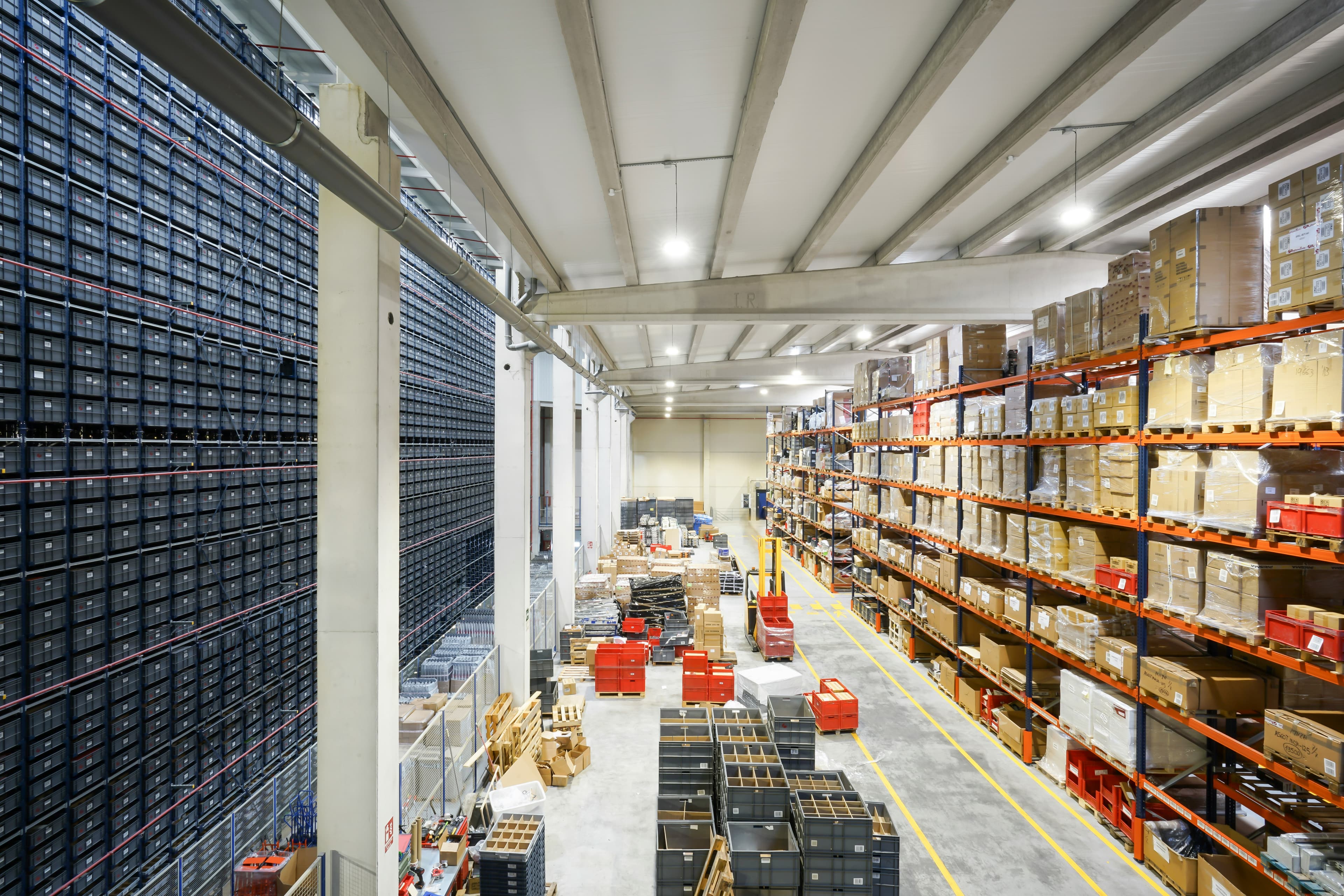
Bulk dog food orders change warehousing requirements meaningfully compared to standard-volume purchasing — a full container of dry kibble needs palletised warehouse space with adequate rotation planning to manage shelf life across the full delivered volume, since bulk kibble typically carries an 12-18 month shelf life from production date that starts counting well before it reaches your warehouse. Buyers new to bulk purchasing should confirm production date (not just delivery date) on every shipment and plan inventory turnover against that date, not an assumed shelf life from arrival.
Why work with Candora Petcare for bulk dog food
Candora Petcare structures bulk dog food programmes from palletised pilots through to full container volume, coordinating production scheduling, quality documentation, and logistics as a single point of contact — so buyers scaling into bulk sourcing don't have to manage factory relationships and freight separately.
FAQ
Frequently asked questions
Bulk programmes typically start at palletised volume, with full container programmes (20ft or 40ft FCL) available for larger commitments. Contact us for a tailored quote based on your volume.
Most container programmes support multiple SKUs, typically up to 4-6 per container, though this depends on per-SKU volume staying cost-efficient.
Dry kibble palletises more efficiently and dominates container-load economics; wet food is heavier per unit of nutritional value and often has different handling requirements, so the two should be quoted separately.
Standard lead times are 4-8 weeks from order confirmation to shipment, reflecting real production scheduling rather than dispatch from existing stock.
Yes — a palletised pilot order is the standard way to validate product quality and delivery reliability before committing to full container-scale volume.
Not by default — always request a full landed-cost quote (product, freight, and duty) rather than comparing ex-factory prices alone, since freight can be a meaningful share of total programme cost.
Ready to get started?
Contact our team to discuss volumes, pricing, and supply structures for your market.
Related
Explore more
Dog Food
Dog Food Wholesale USA: A Sourcing Guide for Retailers and Distributors
Cat Food
Cat Food Bulk Wholesale: Container Economics and Programme Structure
Dog Food
Dog Food Wholesale Suppliers: The Complete Guide for Retailers and Distributors
Bulk Wholesale
Bulk Pet Food Container Programmes: How FCL Sourcing Works