Cat Food Bulk Wholesale: Container Economics and Programme Structure
Cat food bulk wholesale has a different cost structure than dog food, driven largely by the category's heavier skew toward wet food formats. This guide covers how bulk cat food sourcing actually works for buyers scaling beyond small-format orders.

How cat food bulk economics differ from dog food
Because wet food makes up a much larger share of cat food category volume than it does for dogs, bulk cat food programmes need to account for the weight and handling differences between dry kibble and canned or pouched wet food from the outset. A container of mixed dry and wet cat food SKUs will have meaningfully different weight-to-volume economics than a dry-only dog food container, which affects how many total units a given container size can carry. Buyers should ask for a container-load simulation showing exactly how many units of each SKU fit in a proposed mix before finalising an order, rather than assuming proportional scaling from a dry-only quote.
Dry kibble bulk volume
Dry cat food kibble palletises similarly to dog food kibble, though bag sizes typically run smaller (cats are fed smaller daily portions than dogs), meaning more units are needed to fill equivalent container weight. This is worth accounting for when comparing bulk dog food and cat food container quotes — a like-for-like tonnage comparison doesn't translate to a like-for-like unit-count comparison. When comparing quotes across suppliers, always normalise to cost-per-unit at your actual expected bag size rather than comparing cost-per-tonne figures directly.
Wet food bulk volume and case-pack logistics
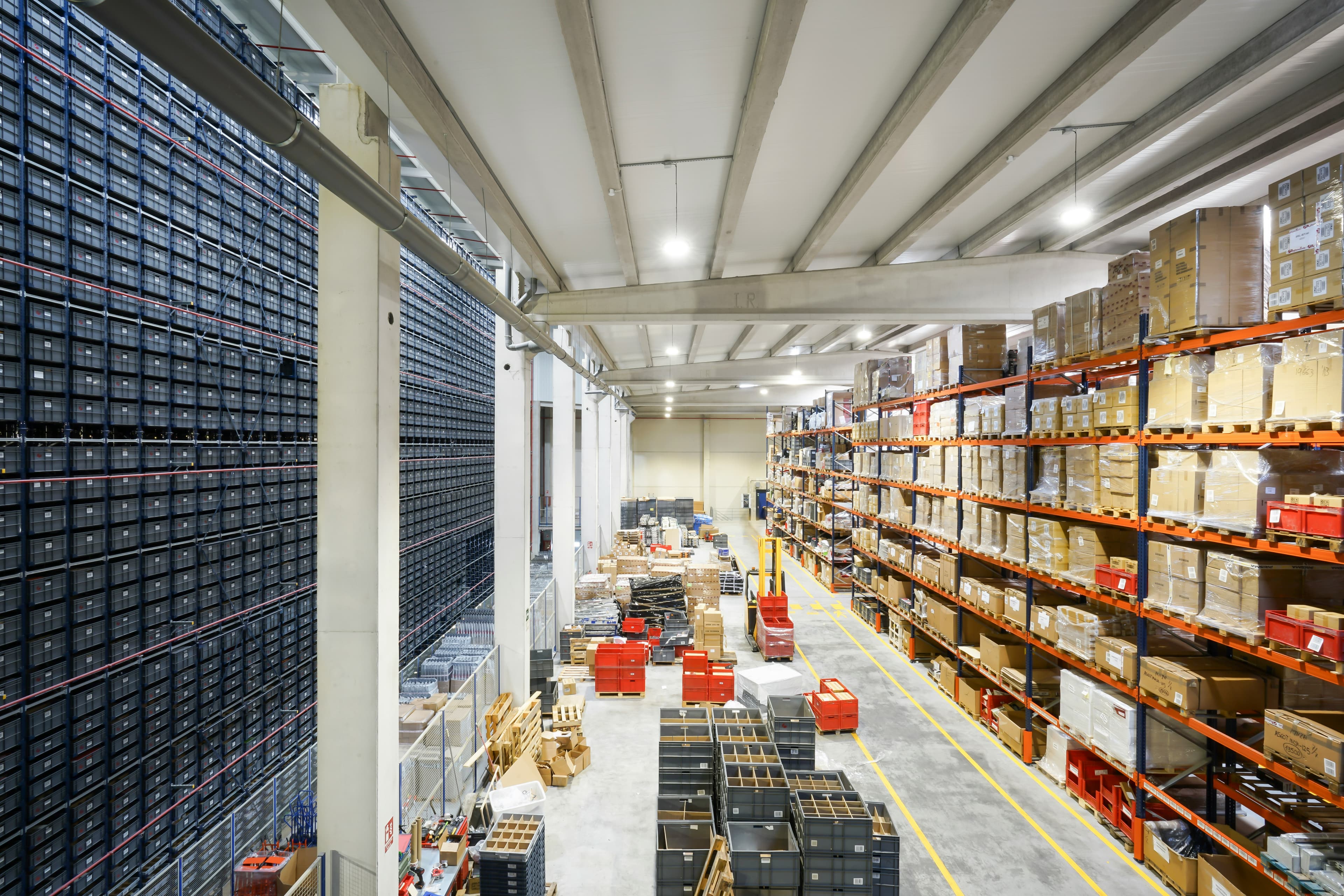
Bulk wet cat food is typically quoted and shipped by case pack (a standard number of cans or pouches per case) rather than pure tonnage, since wet food packaging adds meaningful weight relative to product content compared to dry kibble. Buyers should request container-load quotes broken down by case-pack count per SKU rather than assuming a tonnage-based quote translates directly from a dry kibble programme. This case-pack framing also makes it easier to plan retail shelf allocation against actual incoming inventory.
Palletised pilot orders for bulk cat food
As with dog food, a palletised pilot order — a smaller volume than a full container — is the standard way to validate a bulk cat food supplier relationship before committing to container-scale volume, letting buyers confirm both dry and wet product quality and packaging integrity after transit before scaling up.
Have questions before you keep reading?
Get pricing, MOQs and lead times for your market.
Full container programme structure
A full-container cat food programme (20ft or 40ft FCL) typically supports multiple SKUs across dry and wet formats, though mixing formats within one container needs to be planned carefully around palletisation and any temperature or handling differences between dry and wet product lines. Confirm palletisation plans with the factory before finalising the SKU mix so the container load is genuinely optimised rather than approximated.
Lead times for bulk cat food production
Bulk cat food lead times run 4-8 weeks from order confirmation to shipment, similar to dog food, though wet food production scheduling can be a longer lead item than dry kibble depending on the factory's canning or pouching line capacity and existing production commitments. Buyers ordering a mixed dry/wet container should plan around the longer of the two lead times rather than assuming both formats ship on the same schedule.
Freight considerations for mixed dry/wet containers
Mixed dry and wet cat food containers should be quoted on landed cost (product, freight, and duty together), since the weight differential between formats meaningfully affects total freight cost per container — a container weighted more heavily toward wet food will generally carry higher freight cost per unit shipped than a dry-kibble-dominant container of the same size. Buyers planning a long-term bulk cat food programme should model this weight-driven freight cost difference into their SKU mix decisions upfront, rather than discovering it after the first container has already shipped.
Ready to move forward?
Connect with our team to structure your order, timeline and volumes.
Storage and inventory planning for bulk cat food
Bulk cat food storage planning needs to account for dry and wet formats separately: dry kibble follows similar palletised warehousing and shelf-life rotation logic to dog food (typically 12-18 months from production date), while canned and pouched wet food generally carries a longer shelf life but takes up more warehouse volume per unit of product due to packaging. Buyers running a mixed dry/wet bulk programme should plan warehouse space and rotation schedules for each format separately rather than treating bulk cat food inventory as a single undifferentiated pool.

Why work with Candora Petcare for bulk cat food
Candora Petcare structures bulk cat food programmes across dry and wet formats, from palletised pilots through full container volume, coordinating production scheduling and logistics as a single point of contact for buyers scaling into bulk sourcing. We help buyers model landed cost across dry and wet SKU mixes upfront, so the economics of a proposed container are clear before commitment rather than discovered after freight invoices arrive.
FAQ
Frequently asked questions
Wet food makes up a larger share of cat food category volume, and wet food's weight-to-volume ratio differs from dry kibble, meaningfully changing container economics compared to a dry-dominant dog food programme.
Typically by case pack (a standard number of cans or pouches per case) rather than pure tonnage, since packaging adds meaningful weight relative to product content.
Yes, most container programmes support multiple SKUs across both formats, though this needs planning around palletisation and any handling differences between the two.
Bulk programmes typically start at palletised volume, with full container programmes available for larger commitments. Contact us for a tailored quote.
Standard lead times are 4-8 weeks from order confirmation to shipment, though wet food production scheduling can take longer depending on canning or pouching line capacity.
Yes — a palletised pilot order is the standard way to validate both dry and wet product quality before committing to full container-scale volume.
Ready to get started?
Contact our team to discuss volumes, pricing, and supply structures for your market.
Related
Explore more
Cat Food
Cat Food Wholesale USA: A Sourcing Guide for Retailers and Distributors
Dog Food
Dog Food Bulk Wholesale: Container Economics and Programme Structure
Cat Food
Cat Food Wholesale Suppliers: The Complete Guide for Retailers and Distributors
Bulk Wholesale
Bulk Pet Food Container Programmes: How FCL Sourcing Works