Pet Food Wholesale in Saudi Arabia: What Buyers Should Know
Saudi Arabia's pet food market is projected to exceed $200 million annually by 2026, with pet ownership climbing from roughly 3.5% to over 10% of households as Vision 2030-era urbanisation and lifestyle change take hold. This guide covers what buyers actually need to know: SFDA and SASO compliance, VAT treatment, the Saber certification platform, and how Jeddah and Dammam fit into a Saudi sourcing plan.

Saudi Arabia's pet food market: small base, fast growth
Pet ownership in Saudi Arabia has grown from around 3.5% of households to over 10% as the market has developed, and the pet food category is projected to be worth more than $200 million annually by 2026. That combination — a still-modest household penetration rate alongside genuinely fast growth — is the core reason buyers are prioritising Saudi Arabia over some larger but slower-growing Gulf neighbours.
Two regulators, two different jobs
Saudi Arabia splits pet food oversight across two bodies: the Saudi Food and Drug Authority (SFDA) oversees food safety, labelling, and import/export procedures, including approval for specific novel ingredients or additives, while the Saudi Standards, Metrology and Quality Organization (SASO) sets the underlying technical product standards. Buyers should expect to satisfy both rather than assuming a single-agency process.

The Saber platform: mandatory for every import
SASO's Saber (Saleem) system is an electronic certification and conformity-assessment platform that has been mandatory for all imported goods entering Saudi Arabia since July 2018. Every pet food shipment needs to clear this system before entry — treat Saber registration as a standing compliance step for every consignment, not a one-off setup task.
VAT treatment: 15%, not the outdated 5% figure some sources still cite
Saudi Arabia's standard VAT rate is 15%, administered by ZATCA (the Zakat, Tax and Customs Authority) — a rate that has held since a July 2020 increase from the original 5% introduced when VAT launched in 2018. Buyers relying on older sourcing documentation should specifically check for this outdated 5% figure, since it's a genuinely common and easy mistake to carry forward. On top of VAT, imports typically face an additional customs duty of around 5%.
Have questions before you keep reading?
Get pricing, MOQs and lead times for your market.
Arabic-language labelling
Pet food labels sold in Saudi Arabia must be in Arabic — English is optional alongside it, not a substitute — covering ingredients, nutritional analysis, country of origin, and manufacturing/expiry dates. Confirm a manufacturer's Arabic labelling process is handled by someone with genuine Saudi pet food labelling experience.
Jeddah and Dammam: two different logistics gateways
Jeddah Islamic Port handles roughly 65% of Saudi Arabia's imports and is the country's single most important seaport, with capacity trending past 13 million TEUs following ongoing DP World and Red Sea Gateway Terminal expansions — the natural entry point for a Riyadh- or western-Saudi-focused distribution plan. King Abdulaziz Port in Dammam, on the Arabian Gulf coast, led the country in TEU volume in 2024 at 3.23 million after a SR7 billion investment doubled its capacity to 7.5 million TEUs — the more relevant gateway for buyers targeting the Eastern Province or onward Gulf distribution. Which port matters more depends on where in Saudi Arabia demand is concentrated.
Novel ingredients need specific SFDA approval
Formulations using novel proteins or less common additives require specific SFDA approval before entry — this isn't a formality for a genuinely novel ingredient, and buyers introducing a functional or premium formulation with newer ingredient technology should build this approval step into their timeline explicitly rather than assuming standard registration covers it.
Ready to move forward?
Connect with our team to structure your order, timeline and volumes.
Combining UAE and Saudi Arabia in one Gulf sourcing plan
Buyers building both a UAE and Saudi Arabia presence should treat the two as a single Gulf programme rather than two unrelated launches — Arabic-language labelling requirements, the general shape of a Gulf import-compliance process, and the buyer persona (a growing, young, increasingly urban pet-owning population) are similar enough across both markets that a shared formulation and packaging strategy is usually more efficient than developing each market independently. See our UAE market guide for the parallel detail there. The two regulatory systems and VAT rates are genuinely different (MOCCAE/FTA/5% VAT versus SFDA-SASO/ZATCA/15% VAT), so compliance and pricing still need separate, country-specific verification even when the wider go-to-market strategy is shared.
Common mistakes buyers make entering the Saudi market
The most common mistake is citing the outdated 5% VAT figure from Saudi Arabia's 2018 VAT launch instead of the current 15% rate, which meaningfully distorts a margin projection. A second is treating Saber registration as optional or as a one-time step rather than a per-shipment compliance requirement. A third is picking a single port by habit rather than by where actual Saudi demand sits — Jeddah and Dammam serve genuinely different parts of the country.
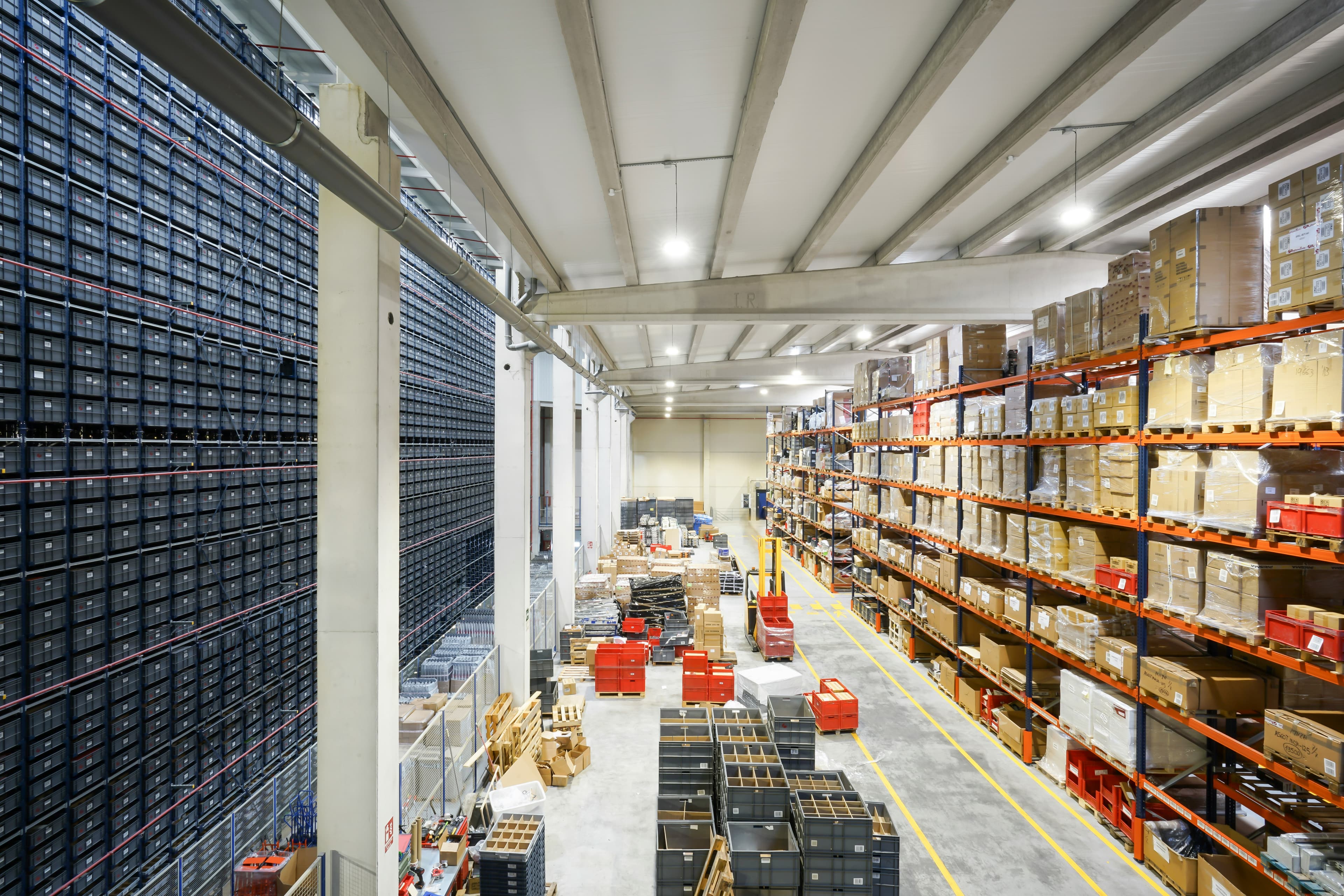
How Candora Petcare supports sourcing into Saudi Arabia
Candora Petcare coordinates SFDA/SASO compliance guidance, Saber platform registration, Arabic-language labelling, and Jeddah- or Dammam-routed logistics for buyers building a Saudi or wider Gulf pet food wholesale programme.
FAQ
Frequently asked questions
15%, Saudi Arabia's standard VAT rate under ZATCA — unchanged since a July 2020 increase from the original 5% rate. Older sourcing documentation citing 5% is outdated.
The SFDA (Saudi Food and Drug Authority) covers food safety, labelling, and import/export procedures; SASO (Saudi Standards, Metrology and Quality Organization) sets the underlying technical standards via the mandatory Saber certification platform.
Saber (Saleem) is SASO's electronic certification and conformity-assessment system, mandatory for all imported goods entering Saudi Arabia since July 2018 — every pet food shipment must clear it.
Yes — Arabic is mandatory, covering ingredients, nutritional analysis, country of origin, and manufacturing/expiry dates. English can appear alongside it but doesn't replace it.
Depends on destination: Jeddah Islamic Port handles about 65% of Saudi imports and suits western/Riyadh-focused distribution; King Abdulaziz Port in Dammam led national TEU volume in 2024 and suits the Eastern Province or onward Gulf distribution.
Pet ownership has grown from roughly 3.5% to over 10% of households, and the pet food category is projected to exceed $200 million annually by 2026 — a small base with genuinely fast growth.
Ready to get started?
Contact our team to discuss volumes, pricing, and supply structures for your market.
Related
Explore more

Markets
Pet Food Wholesale in the UAE: What Buyers Should Know
Certifications
FEDIAF Pet Food Certification: What EU Market Buyers Need to Know
Certifications
AAFCO Pet Food Certification: The Complete Buyer's Guide
Bulk Wholesale
Bulk Pet Food Container Programmes: How FCL Sourcing Works
Private Label
Private Label Pet Food: The Complete Manufacturer Guide