Cat Food Wholesale in Poland
Cat food carries the same 8% reduced VAT treatment and FEDIAF nutrient framework as dog food in Poland, but the category's own production and packaging needs — particularly for wet formats — deserve their own evaluation given how much cat food manufacturing capacity Poland has built. This guide covers the cat-food-specific detail on top of our general Polish market guide.

Why cat food sourcing from Poland needs its own consideration
Cat food category volume typically skews more heavily toward wet formats than dog food, which affects production line scheduling, canning/pouching capacity, and packaging logistics differently than dry-dominant dog food ranges — considerations that matter as much for a Polish manufacturing base as anywhere else in the EU. See our full Polish market guide for the country-level VAT and import detail that applies to both categories equally. Buyers should treat cat food sourcing from Poland as its own workstream rather than a simple extension of an existing Polish dog food relationship.
FEDIAF compliance for cat food specifically
Cat food manufactured or sold in Poland must meet FEDIAF's cat-specific nutrient profiles, which differ meaningfully from dog profiles — notably around taurine, an amino acid cats cannot synthesise in sufficient quantities themselves. Confirm a Polish manufacturer's cat-specific formulation track record, not just general FEDIAF experience carried over from dog food production, since the substantiation documentation needs to reflect the correct species-specific profile.
Dry vs. wet cat food production capacity in Poland
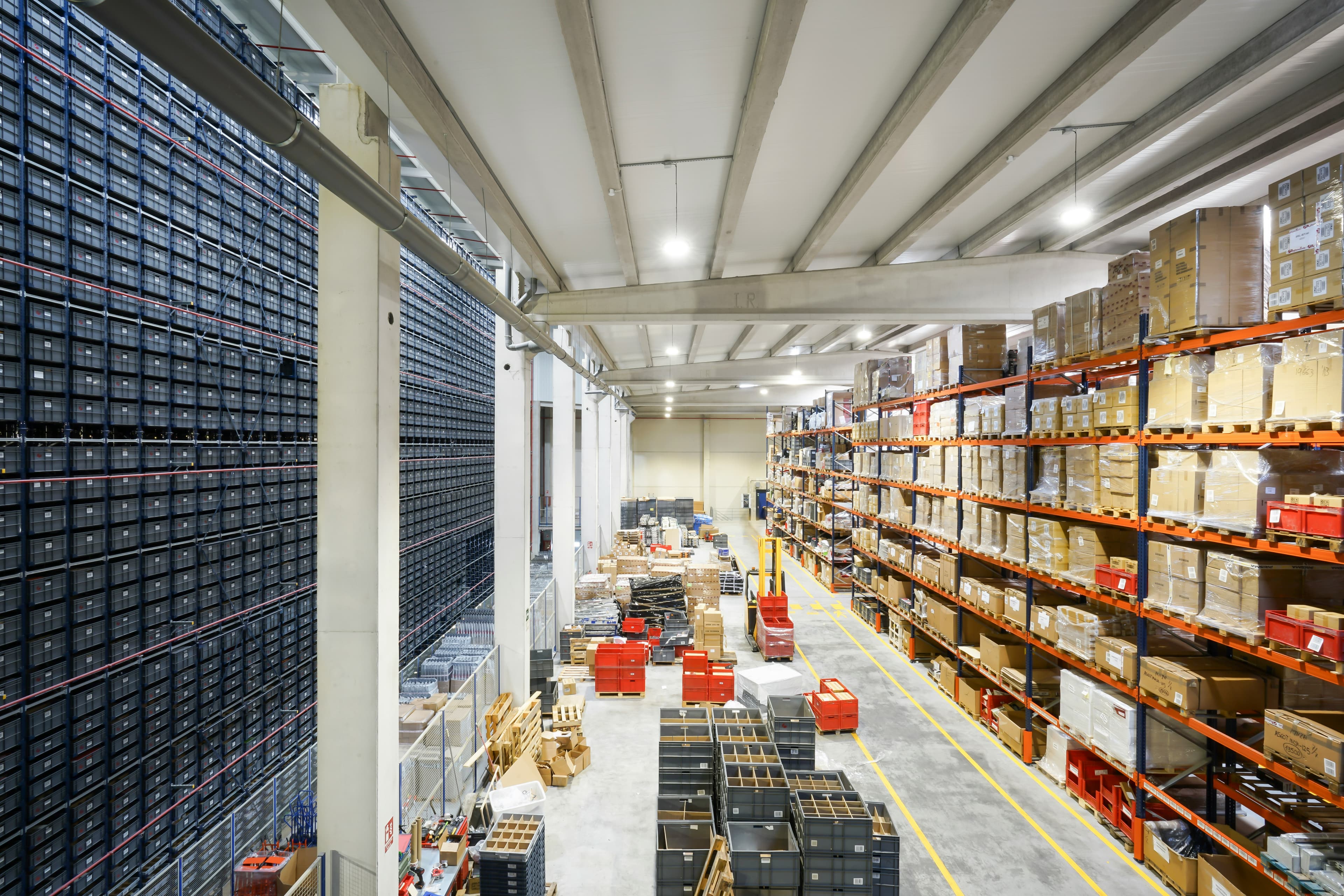
Given the category's wet-food skew, buyers planning a cat food range sourced from Poland should confirm case-pack and canning/pouching line capacity with the manufacturer early, since wet food production scheduling and minimum order quantities typically run less flexible than dry kibble. Poland's broader growth as a pet food export base means this capacity generally exists, but it needs confirming line by line rather than assumed.
VAT treatment for cat food in Poland
As with dog food, cat food benefits from Poland's reduced 8% VAT rate rather than the 23% standard rate — a genuine pricing advantage to factor into Polish-market pricing models, and separately into the cost case for sourcing cat food manufactured in Poland for export to other EU markets. This applies uniformly across dry and wet formats.
Have questions before you keep reading?
Get pricing, MOQs and lead times for your market.
Bulk and private label cat food sourcing from Poland
Buyers building a cat food range sourced from Poland should reference our cat food bulk wholesale and cat food private label manufacturer guides for the underlying category mechanics, then layer Polish VAT, FEDIAF, and Polish-language labelling requirements on top for domestic-market volume specifically.
Polish-language labelling for cat food
As with dog food, cat food sold into the Polish domestic market needs Polish-language statutory content under the Act of 25 August 2006 on Food and Nutrition Safety, plus accurate life-stage and cat-specific nutrient claims substantiated by the manufacturer's actual formulation documentation. Product manufactured in Poland for export follows the destination market's own labelling requirements instead.
Polish retail channels for cat food
Cat food reaches Polish consumers through the same broad channel mix as dog food — supermarkets and hypermarkets currently dominant, discount retail chains controlling roughly 37% of Polish grocery market value, and online the fastest-growing channel — though functional cat food positioning often skews more toward specialty retail, where coverage is notably denser in western Poland than in the east.
Evaluating a manufacturer's Polish cat food experience
Ask specifically about a prospective Polish manufacturer's wet food production capacity and cat food export track record — a manufacturer strong in Polish dog food supply doesn't automatically carry equivalent cat food formulation or wet-food production experience. Request recent examples of cat food shipments specifically, not general pet food export references, and confirm both dry and wet formats are represented.
Ready to move forward?
Connect with our team to structure your order, timeline and volumes.
Wet food logistics considerations specific to Poland
Given cat food's wet-format skew, buyers sourcing from Poland should confirm how canning or pouching production is scheduled relative to dry kibble lines, since wet food changeover costs and lead times typically run less flexible regardless of destination market. Freight cost per unit also needs modelling specifically for a wet-heavy cat food SKU mix moving from Poland to its destination market, since wet food's weight-to-volume ratio affects landed cost differently than dry kibble.
Planning a pilot order before scaling cat food volume from Poland
A palletised pilot order is worth doing specifically because it validates both dry and wet product quality and packaging integrity after transit — which matters more for cat food than dog food given the category's wet-format weighting — while also validating a new Polish manufacturer's export documentation process if the product is destined for another EU market. See our bulk pet food container programme guide for how the progression from pilot to full-container volume typically works.
How Candora Petcare supports cat food sourcing from and into Poland
Candora Petcare coordinates FEDIAF-compliant cat food formulation across dry and wet formats, Polish- and destination-market label compliance, and EU logistics for buyers sourcing cat food from Polish manufacturers or selling into the Polish domestic market, managing production scheduling and documentation as a single point of contact throughout.
FAQ
Frequently asked questions
8%, the same reduced rate that applies to dog food — a genuine pricing advantage compared to EU markets where pet food sits at a standard or higher VAT rate.
Yes — cat food must meet FEDIAF's cat-specific nutrient profiles, including taurine requirements that differ meaningfully from dog food nutrient profiles.
Cat food category volume skews more heavily toward wet formats, which affects production scheduling, canning/pouching capacity, and minimum order quantities differently than dry-dominant dog food ranges.
Yes — statutory label content needs Polish-language text under the Act of 25 August 2006 on Food and Nutrition Safety, alongside accurate cat-specific nutrient claims. Export product follows the destination market's own labelling instead.
Yes — this is a common approach given Poland's manufacturing scale; confirm which formats and labelling apply to Polish domestic sales versus export volume before finalising an order.
Not necessarily — ask specifically about wet food production capacity and cat-specific formulation track record, since these don't automatically carry over from dog food experience.
Ready to get started?
Contact our team to discuss volumes, pricing, and supply structures for your market.
Related