Pet Food Wholesale in Poland: A Manufacturing Powerhouse in the EU
Poland occupies an unusual position in European pet food sourcing: it's not just a consumer market, it's one of the EU's most significant pet food manufacturing and export bases, with real, verifiable production capacity that makes it worth evaluating as both a destination market and a production origin. This guide covers what buyers need to know about importing into Poland, Poland's own regulatory and tax environment, and why so much EU-bound pet food is actually made there.

Poland's role as a European pet food manufacturing hub
Poland is the world's fifth-largest pet food exporter, shipping roughly EUR 2.0 billion of pet food in 2024 — a 14% increase on 2023 — with Germany, the UK, France, and the Netherlands among its largest destination markets, according to Poland's trade promotion agency (trade.gov.pl / PAIH). Domestic pet food production grew around 21% year-on-year, with the treats segment growing even faster. This is real, verified production capacity, not a marketing claim: buyers evaluating Poland shouldn't think of it purely as a market to sell into, but also as a country where a meaningful share of the pet food already sold across the rest of the EU is actually manufactured.
Importing pet food into Poland from outside the EU
As an EU member state, pet food entering Poland from a non-EU country goes through the same EU-wide control system as any other member: products of animal origin require pre-notification through TRACES NT, generating a Common Health Entry Document (CHED-P), and are checked at a designated Border Control Post. Poland's Chief Veterinary Inspectorate (Główny Inspektorat Weterynarii, GIW) is the national authority overseeing these veterinary border controls, animal by-product trade, and feed safety compliance.
Moving pet food within the EU into Poland
Pet food already produced within the EU, or that has already cleared EU border controls elsewhere, moves into Poland as a straightforward intra-EU movement without a separate customs process, since Poland is part of the EU single market. Given how much pet food is already manufactured domestically in Poland, many buyers approach this the other way around — sourcing product made in Poland and moving it intra-EU into other member states, rather than importing into Poland itself.
Have questions before you keep reading?
Get pricing, MOQs and lead times for your market.
VAT treatment: Poland's reduced rate on pet food
Poland applies an 8% reduced VAT rate to animal feed, including pet food, rather than the 23% standard rate — this reduced rate has applied since 1 July 2020 under Annex 3 of Poland's VAT Act and remains current. This is a substantial, genuine pricing advantage worth building into landed-cost and retail-pricing models when comparing Poland to EU markets that apply a standard or higher rate to pet food.
Polish-language labelling requirements
Products sold on the Polish market must be labelled in Polish, a requirement set out in Poland's Act of 25 August 2006 on Food and Nutrition Safety, which implements EU labelling regulation into Polish national law. Polish-language content can sit alongside other languages on the same packaging, but the Polish text itself must be present, accurate, and — consistent with EU Regulation 1169/2011 — displayed somewhere clearly visible and legible rather than buried in fine print. GIS issues interpretive guidance on this and can inspect for compliance.
Polish pet food retail structure
Supermarkets and hypermarkets currently dominate Polish pet food distribution, but the channel mix is shifting: discount retail chains now control roughly 37% of Polish grocery market value overall, and private label pet food is gaining share (up roughly 3.7% in volume and 5.1% in value share), expanding particularly through discount channels. Pet specialty retail density is notably uneven geographically — around 1.8 times higher in western Poland than in the east — and online is the fastest-growing channel, expanding at close to 6.7% CAGR. Buyers should factor this regional and channel unevenness into distribution planning rather than assuming uniform retail coverage nationwide.
Poland's logistics position in Central Europe
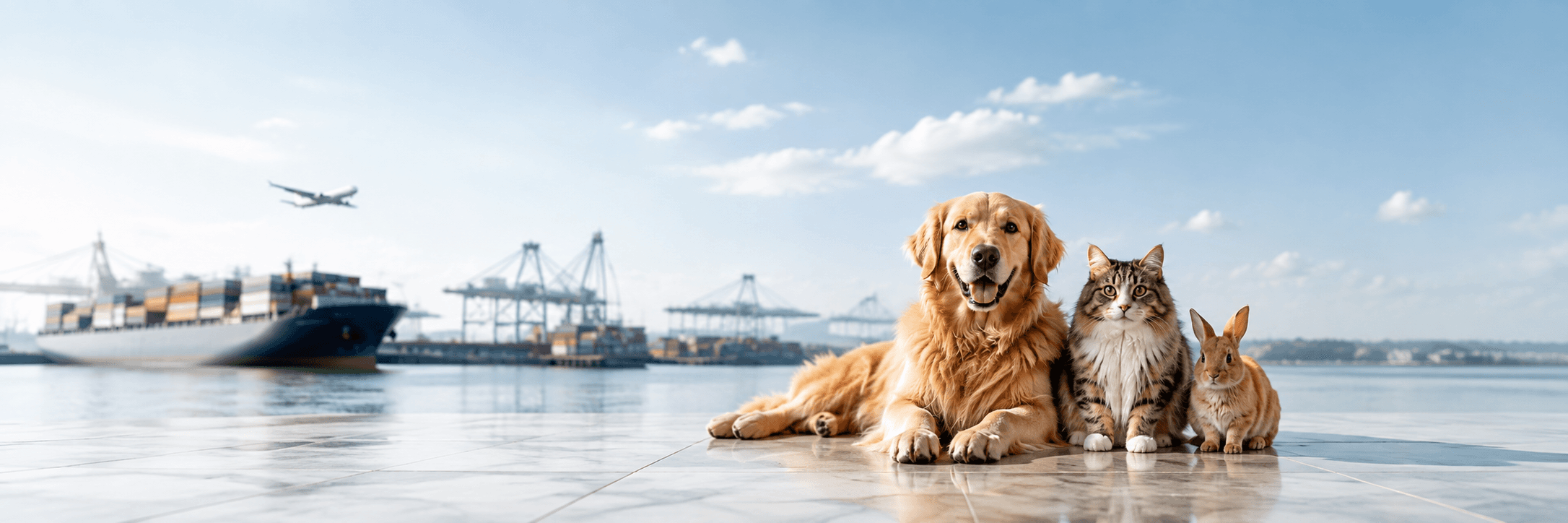
Poland sits at a genuinely useful crossroads for EU distribution — it borders Germany, the Czech Republic, Slovakia, and Lithuania within the EU, plus Ukraine and Belarus outside it, and has Baltic Sea port access via Gdańsk and Gdynia. Extensive road and rail freight corridors connect Polish manufacturing centres westward into Germany and the rest of the EU, which is part of why foreign pet food producers have continued investing in new and expanded Polish production and logistics capacity rather than treating the country as purely a cost play.
Ready to move forward?
Connect with our team to structure your order, timeline and volumes.
FEDIAF alignment for the Polish market
As an EU member state, pet food produced or sold in Poland needs to meet FEDIAF's nutritional guidelines, the EU-wide reference standard, on top of Polish-language labelling and national labelling conventions. See our FEDIAF certification guide for the underlying nutrient-adequacy substantiation this requires — the standard is identical to what applies in Germany, the UK, or the Netherlands, so a Poland-sourced product formulated to FEDIAF is generally a strong starting point for wider EU distribution.
Common mistakes buyers make with the Polish market
The most common mistake is treating Poland purely as a smaller, secondary EU consumer market and missing its much larger strategic role as a production and export base — buyers who only evaluate Poland's domestic retail size undersell what's actually available there. The second is assuming a generic EU-compliant label covers Poland without the specific Polish-language requirement under the Food and Nutrition Safety Act. A third is underestimating how uneven Polish retail coverage is regionally, particularly the western-versus-eastern pet specialty density gap, which can distort a national rollout plan built around a single average assumption.
How Candora Petcare supports sourcing into and through Poland
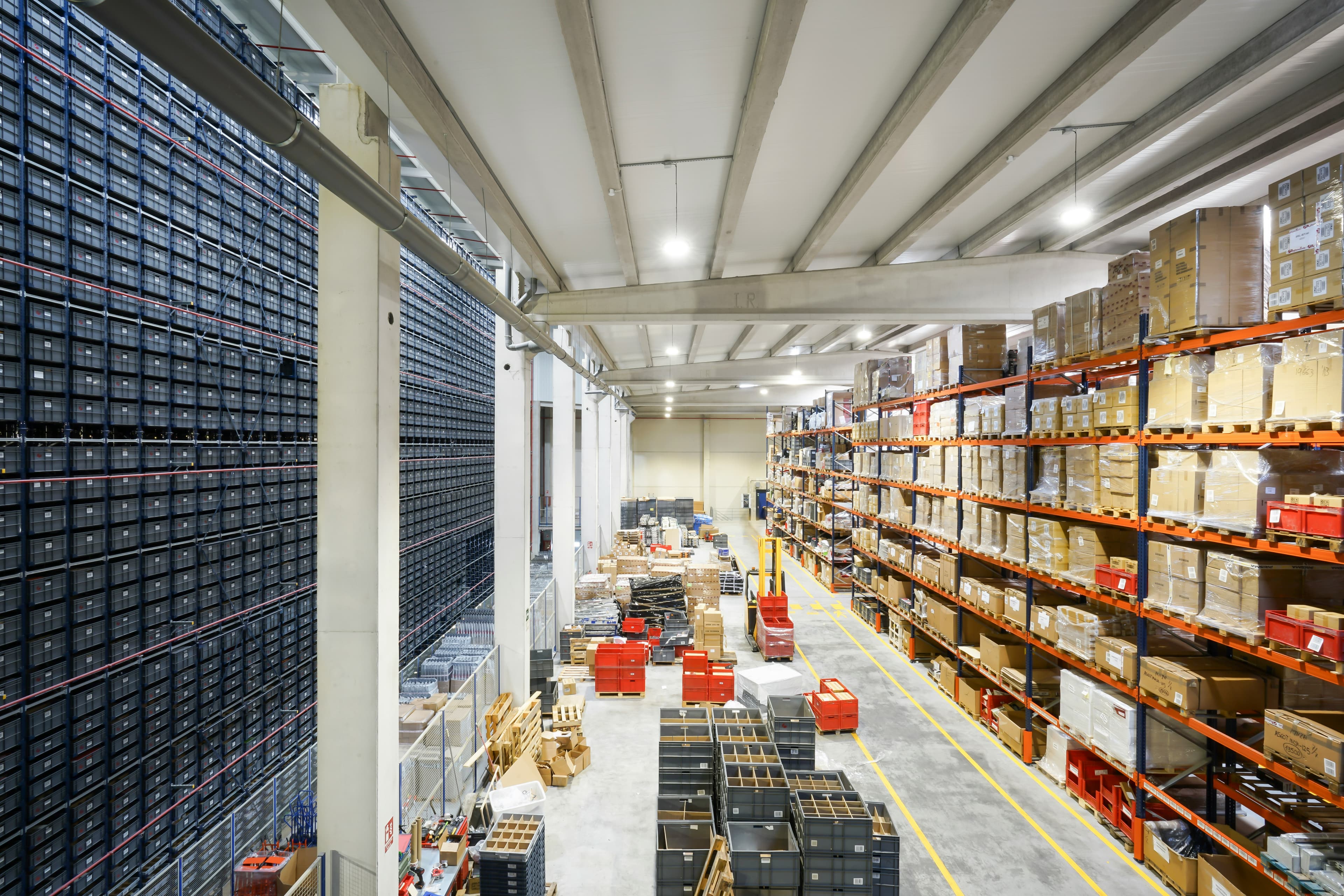
Candora Petcare coordinates EU import documentation, GIW/GIS-aligned compliance, and FEDIAF-formulated sourcing for buyers evaluating Poland as either a destination market or a production and export base for wider EU distribution — see our dog food, cat food, and private label guides for Poland for category-specific detail.
FAQ
Frequently asked questions
8%, Poland's reduced rate for animal feed including pet food, rather than the 23% standard rate — in effect since 1 July 2020 under Annex 3 of the VAT Act, and still current.
Both, and the production side is significant — Poland is the world's fifth-largest pet food exporter, shipping around EUR 2.0 billion of pet food in 2024, with Germany, the UK, France, and the Netherlands among its top destinations.
Products of animal origin require pre-notification through TRACES NT, generating a CHED-P document, checked at a designated Border Control Post — the same EU-wide process used by any other member state, overseen nationally by Poland's Chief Veterinary Inspectorate (GIW).
Yes — the Act of 25 August 2006 on Food and Nutrition Safety requires Polish-language content on products sold in Poland, displayed clearly and legibly. Other languages can appear alongside it, but Polish text is mandatory.
Primarily the Chief Veterinary Inspectorate (GIW), which oversees animal-origin product safety and border controls, and the Chief Sanitary Inspectorate (GIS), which enforces labelling compliance and food safety more broadly.
No — pet specialty retail density is around 1.8 times higher in western Poland than in the east, so a national rollout plan should account for this regional unevenness rather than assuming uniform coverage.
Yes — as an EU member state, Poland follows FEDIAF's nutritional guidelines as the reference standard, the same requirement that applies across every other EU country.
Ready to get started?
Contact our team to discuss volumes, pricing, and supply structures for your market.