Pet Food Wholesale in Germany: What Buyers Should Know
Germany is the EU's largest single market by population, which makes it a natural anchor point for a European pet food wholesale programme — but sourcing into Germany still runs through the same EU-wide import and regulatory framework as any other member state. This guide covers what buyers actually need to know: how product enters the German market, how it's taxed, and who regulates it.

Germany's role in an EU pet food sourcing strategy
As the EU's most populous member state, Germany represents one of the largest single national pet food markets in Europe, and its regulatory and tax environment is broadly representative of EU-wide standards — which makes it a common starting point for buyers building out a European wholesale programme before expanding to other member states.
Importing pet food into Germany from outside the EU
Pet food entering Germany from a non-EU country goes through the same EU-wide control system as any other member state: products of animal origin require pre-notification through TRACES NT (the EU's Trade Control and Expert System), generating a Common Health Entry Document (CHED-P) that functions as the shipment's official electronic passport, checked at a designated Border Control Post. This typically needs to be submitted at least 24 hours before the goods arrive.

Moving pet food within the EU into Germany
If your pet food is already produced within the EU (or has already cleared EU border controls elsewhere), moving it into Germany is a straightforward intra-EU movement without a separate customs process, since Germany is part of the EU single market. This is one of the practical advantages of establishing EU production or first-entry clearance before distributing into individual member states like Germany.
Have questions before you keep reading?
Get pricing, MOQs and lead times for your market.
VAT treatment: Germany's reduced rate on pet food
Germany applies its reduced VAT rate of 7% to pet food, rather than the 19% standard rate — a distinctive feature of the German market compared to some other EU countries, where pet food sits at a standard or higher rate. This is a genuine pricing advantage worth factoring into landed-cost and retail-pricing models when comparing Germany to other EU markets.
German pet food retail structure
German pet food reaches consumers through a mix of specialty pet retail chains, general grocery and discount retail, and a growing online/direct-to-consumer channel — a structure broadly similar to other large EU markets, though the specific channel mix a buyer should prioritise depends on the product category and price positioning being brought to market.
FEDIAF alignment for the German market
As an EU member state, pet food sold in Germany needs to meet FEDIAF's nutritional guidelines, the EU-wide reference standard, alongside any German national labelling conventions (language, specific statutory statements). See our FEDIAF certification guide for the underlying nutrient-adequacy substantiation this requires.
Ready to move forward?
Connect with our team to structure your order, timeline and volumes.
Logistics into and within Germany
Germany's central position in continental Europe and extensive road and rail freight network make onward distribution from a German entry point to other parts of the country, and to neighbouring EU markets, relatively efficient once product has cleared initial EU border controls or arrived via intra-EU movement. This central position is part of why some buyers use a German entry point for wider EU distribution planning alongside — or instead of — the Netherlands' Rotterdam-centred gateway model.
Common mistakes buyers make entering the German market
The most common mistake is assuming a supplier's general EU export experience automatically covers German-specific requirements — German-language labelling and BMLEH-aligned documentation deserve their own verification, not an assumption that broad EU compliance is sufficient. The second is under-pricing based on a blended EU VAT assumption rather than Germany's actual 7% reduced rate, which can distort margin projections in either direction depending on which EU average was used. A third, more subtle mistake is treating Germany's large market size as a reason to skip a smaller pilot order — validating product-market fit with a modest first shipment is still worthwhile even in a market this size, since German retail expectations around packaging and format can differ from other EU markets in ways a small trial run surfaces early.
How Candora Petcare supports sourcing into Germany
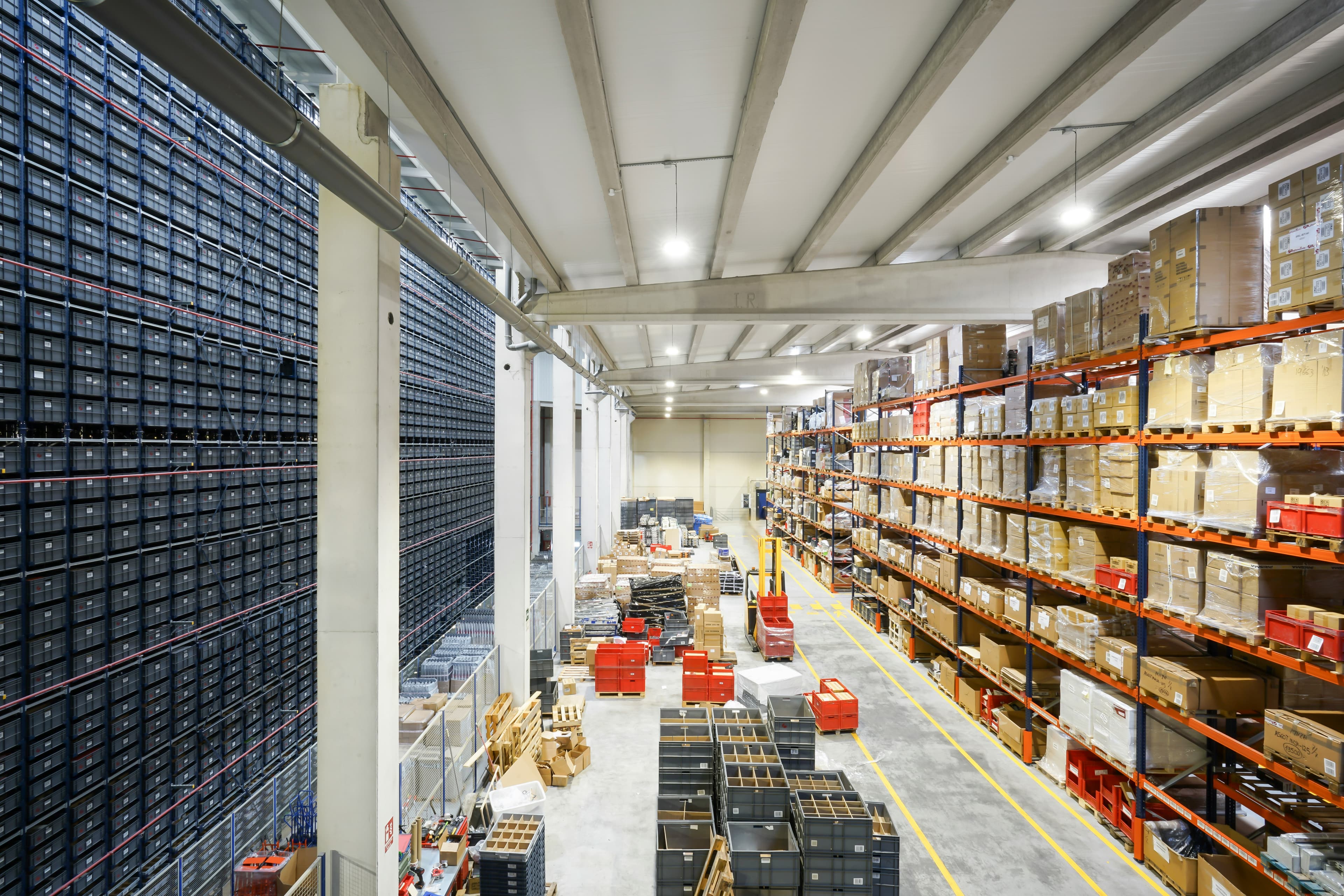
Candora Petcare coordinates EU import documentation, TRACES NT/CHED-P processing, and FEDIAF-aligned formulation sourcing for buyers building a German or wider EU pet food wholesale programme — see our dog food, cat food, and private label guides for Germany for category-specific detail.
FAQ
Frequently asked questions
Germany applies its reduced VAT rate of 7% to pet food, rather than the 19% standard rate — a distinctive feature of the German market worth factoring into pricing comparisons against other EU countries.
Products of animal origin require pre-notification through TRACES NT, generating a CHED-P document, and are checked at a designated Border Control Post — typically requiring at least 24 hours' notice before arrival.
Yes — if the product has already cleared EU border controls or was produced within the EU, moving it into Germany is a straightforward intra-EU movement without a separate customs process.
The Federal Ministry of Food, Agriculture and Home Affairs (BMLEH) oversees EU-wide feed and food safety compliance at the national level, alongside state-level (Länder) enforcement bodies.
Yes — as an EU member state, Germany follows FEDIAF's nutritional guidelines as the reference standard, alongside German national labelling conventions.
It's a common one — as the EU's most populous member state with a broadly representative regulatory environment, it's often used as an anchor market before expanding to other EU countries.
Ready to get started?
Contact our team to discuss volumes, pricing, and supply structures for your market.