Pet Food Wholesale in the Netherlands: A Logistics Gateway to the EU
The Netherlands functions as much as a logistics gateway to the wider EU as it does a standalone consumer market — Rotterdam is Europe's largest port, and a significant share of goods entering the Netherlands are distributed onward across the continent. This guide covers what that means practically for pet food buyers, plus the country's own regulatory and tax environment.

Rotterdam's role as Europe's logistics gateway
The Port of Rotterdam is the largest port in Europe by cargo tonnage, with direct shipping routes from major Asian and North American ports, highly automated container terminals, and multimodal connections deep into continental Europe via road, rail, and inland waterway (Rhine/Meuse). For pet food buyers, this makes the Netherlands a genuinely practical first-entry point for product ultimately destined for multiple EU markets, not just Dutch consumers. This distinction matters when evaluating the Netherlands purely on domestic market size, which understates its actual strategic value.
Bonded warehousing and onward EU distribution
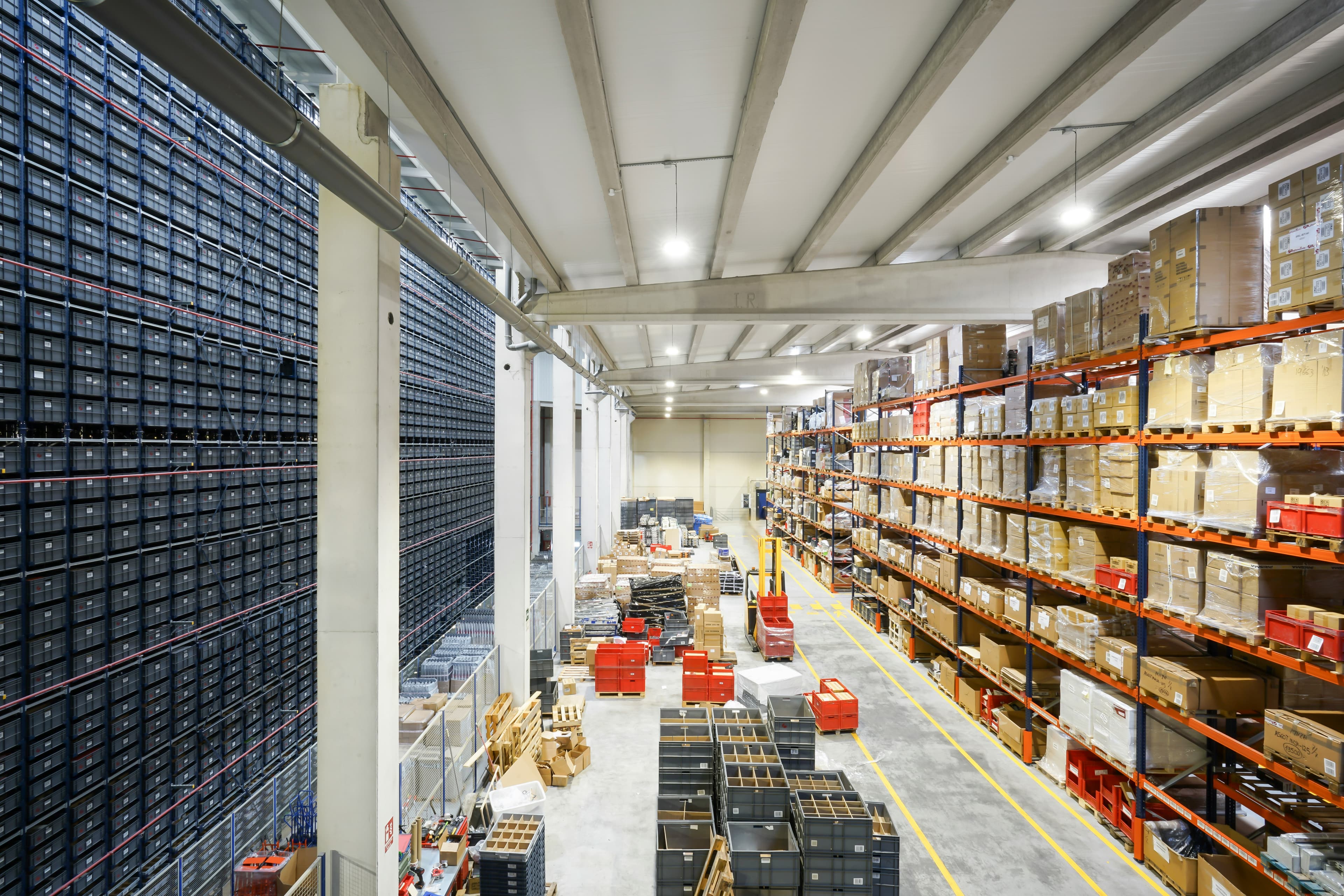
Rotterdam offers bonded warehousing facilities that allow imported goods to be stored duty-free before final distribution — a useful structure for buyers consolidating a pet food programme that will ultimately supply several EU markets from a single point of entry, deferring duty payment until product actually moves to its final destination market.

Importing pet food into the Netherlands from outside the EU
As an EU member state, the Netherlands follows the same TRACES NT / CHED-P import process for products of animal origin as any other EU country, with the Nederlandse Voedsel- en Warenautoriteit (NVWA) — the Dutch Food and Consumer Product Safety Authority — overseeing enforcement and conducting inspections at Dutch Border Control Posts.
EU feed regulation compliance in the Netherlands
Pet food distributed through the Netherlands must comply with EU Regulation 767/2009 on feed materials and EU Regulation 1831/2003 on additives, the same EU-wide framework that applies across all member states, enforced domestically by the NVWA. Buyers should confirm a manufacturer's compliance documentation references these regulations specifically rather than a general assurance of EU compliance.
Have questions before you keep reading?
Get pricing, MOQs and lead times for your market.
VAT treatment: a recent and significant change
As of 1 January 2025, the Dutch government increased VAT on pet food and animal-derived pet snacks from the previous reduced rate of 9% to the standard rate of 21%, reclassifying pet food as a non-essential good rather than a basic necessity. This is a meaningful, relatively recent shift that buyers should factor into current Dutch pricing models — historical pricing references from before 2025 will understate the actual VAT burden.
Dutch pet food distribution hubs
Beyond Rotterdam's port function, cities including Amsterdam, Rotterdam, Utrecht, and The Hague serve as established distribution hubs with extensive networks of specialty pet retail, veterinary channels, and online retail — relevant context for buyers planning Dutch domestic distribution alongside pan-EU logistics. Buyers combining a domestic Dutch launch with wider EU distribution should plan warehousing and channel strategy for both purposes from the outset rather than treating them as sequential phases.
Using the Netherlands as a pan-EU entry point
Buyers building a multi-country EU pet food programme should specifically evaluate whether routing product through a Dutch entry point — leveraging Rotterdam's logistics infrastructure and bonded warehousing — reduces overall landed cost and complexity compared to separate entry points per target market, particularly for programmes covering several EU countries simultaneously.
Ready to move forward?
Connect with our team to structure your order, timeline and volumes.
FEDIAF alignment for the Dutch market
As with every EU member state, pet food sold in the Netherlands needs to meet FEDIAF's nutritional guidelines alongside Dutch-specific labelling conventions (Dutch-language requirements in particular) — see our FEDIAF certification guide for the underlying substantiation this requires.
Common mistakes buyers make entering the Dutch market
The most common mistake is pricing a Dutch launch using pre-2025 VAT assumptions — the shift from 9% to 21% is recent enough that older cost models, competitor pricing references, and even some published market guides still reflect the outdated rate. The second is treating the Netherlands purely as a small domestic consumer market and missing its more strategically valuable role as an EU logistics gateway, which can lead to under-using Rotterdam's bonded warehousing and multimodal connections when planning a wider European distribution footprint. A third is assuming Dutch-language labelling covers Belgium's Flemish-speaking market without checking Belgium's own specific labelling and registration requirements separately.
How Candora Petcare supports sourcing through the Netherlands
Candora Petcare coordinates EU import documentation and logistics planning for buyers using the Netherlands as either a domestic Dutch market or a pan-EU distribution gateway — see our dog food, cat food, and private label guides for the Netherlands for category-specific detail, from a first pilot shipment through to a recurring multi-market programme.
FAQ
Frequently asked questions
Rotterdam is Europe's largest port with extensive multimodal connections into continental Europe and bonded warehousing facilities, making it a practical first-entry point for product ultimately destined for multiple EU markets.
21%, the standard rate, as of 1 January 2025 — up from a previous reduced rate of 9%. This is a recent and significant change; older pricing references will understate the current VAT burden.
The Nederlandse Voedsel- en Warenautoriteit (NVWA), the Dutch Food and Consumer Product Safety Authority, which enforces EU-wide feed regulation and conducts inspections at Dutch Border Control Posts.
It allows imported goods to be stored duty-free before final distribution, letting buyers defer duty payment until product actually moves to its final destination market — useful for a multi-country EU distribution programme.
Yes — as EU member states, both follow the TRACES NT / CHED-P process for products of animal origin from outside the EU, enforced by their respective national authorities.
No — many buyers use it primarily as a pan-EU logistics gateway rather than solely for Dutch consumer distribution, given Rotterdam's onward connectivity across the continent.
Ready to get started?
Contact our team to discuss volumes, pricing, and supply structures for your market.