Dog Food Wholesale in the Netherlands
The Netherlands' role as an EU logistics gateway makes it a strategically useful entry point for a dog food programme covering multiple EU markets, not just the Dutch domestic market. This guide covers dog-food-specific sourcing detail on top of our general Netherlands market guide.

Sourcing dog food through the Netherlands as an EU gateway
Buyers planning a multi-country EU dog food programme should specifically consider routing product through the Netherlands, leveraging Rotterdam's port infrastructure and bonded warehousing to consolidate import documentation and defer duty on volume that will ultimately distribute to several EU markets. See our full Netherlands market guide for the underlying logistics detail. This approach is worth evaluating even for buyers whose largest single destination market is Germany, given the strong onward road and rail links between the two countries.
FEDIAF compliance for dog food distributed via the Netherlands
As with any EU member state, dog food distributed through or sold in the Netherlands must be formulated to meet FEDIAF's nutritional guidelines for the relevant life stage. See our FEDIAF certification guide for the substantiation documentation to request from a manufacturer. This applies whether the Netherlands is the final destination market or purely a distribution waypoint, so don't assume transit-only product is exempt from this requirement.

VAT treatment: a recent change buyers should account for
Dutch VAT on dog food increased from 9% to 21% as of 1 January 2025, a significant shift from the reduced rate that previously applied. Buyers modelling Dutch retail pricing should use the current 21% figure rather than older reduced-rate references, since the gap materially affects margin and consumer pricing calculations.
Format considerations for the Dutch market and onward EU distribution
Both dry kibble and wet dog food have established presence in the Dutch domestic market; buyers using the Netherlands primarily as an onward-distribution gateway should confirm format requirements against their ultimate destination markets specifically, not just Dutch domestic retail norms.
Have questions before you keep reading?
Get pricing, MOQs and lead times for your market.
Bulk container programmes through Rotterdam
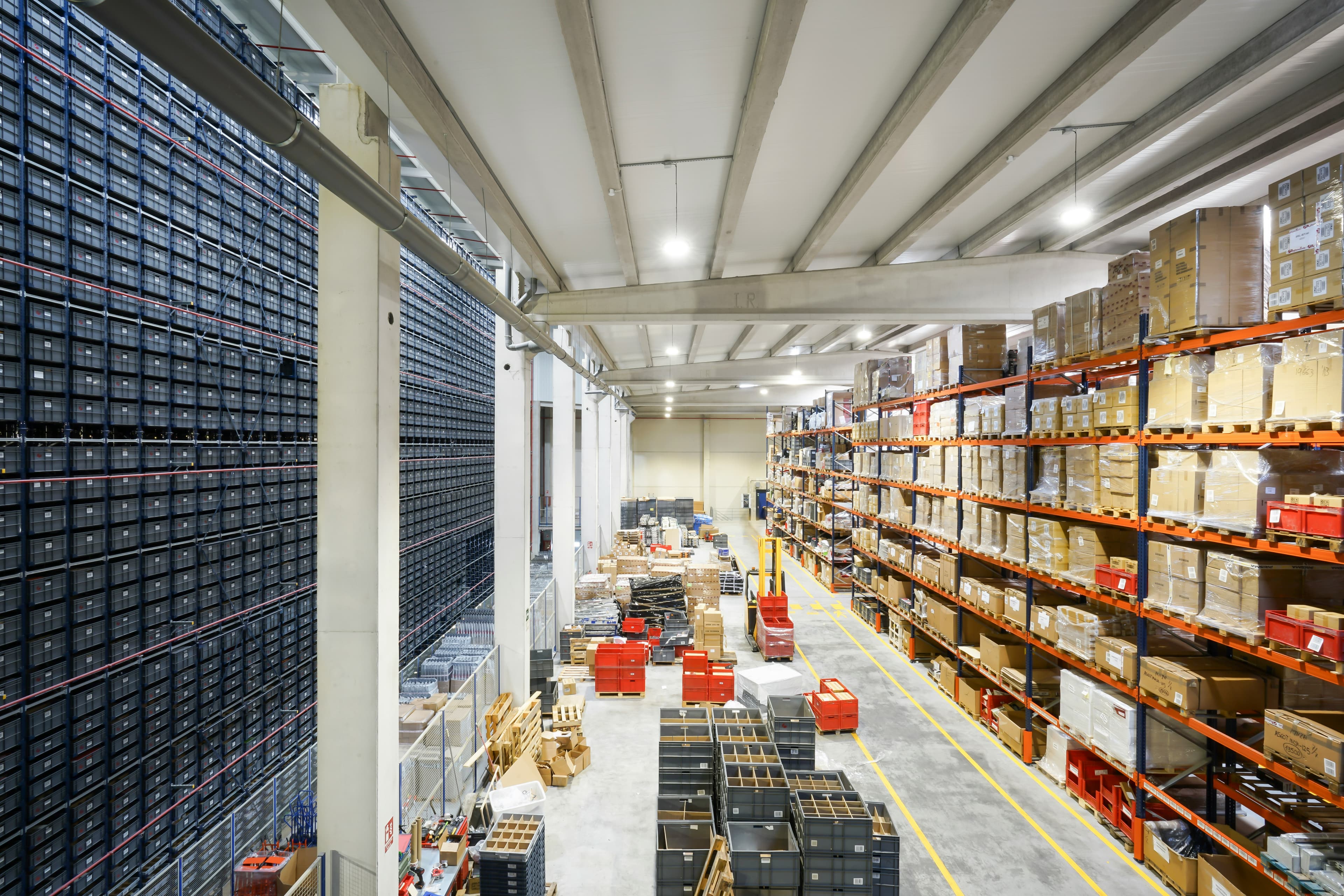
Rotterdam's container handling capacity and multimodal onward connections (road, rail, inland waterway) make it a genuinely practical port for a full-container dog food programme intended for wider EU distribution. See our bulk pet food container programme guide and pet food FCL shipping guide for the underlying container economics and logistics detail. Buyers planning several destination markets from one container should model onward inland freight cost per market alongside the initial ocean freight cost, since the two aren't always proportional to distance from Rotterdam.
Private label dog food sourcing via the Netherlands
Buyers building a private label dog food range for Dutch or wider EU distribution should reference our dog food private label manufacturer guide for the formulation and packaging mechanics, then layer Dutch VAT and labelling requirements on top for the domestic-market portion of distribution.
Dutch-language labelling requirements
Dog food sold directly into the Dutch domestic market needs Dutch-language content for statutory label statements, distinct from product that transits through the Netherlands en route to another EU market's own labelling requirements — confirm with your manufacturer which labelling applies to which portion of a mixed-destination shipment. Getting this wrong on a mixed shipment risks Dutch-labelled product ending up in a market that needs different statutory text, or vice versa.
Ready to move forward?
Connect with our team to structure your order, timeline and volumes.
Evaluating a manufacturer's Rotterdam/Netherlands logistics experience
Ask a prospective manufacturer or freight partner specifically about their experience routing pet food through Rotterdam and using Dutch bonded warehousing for multi-market EU distribution — this is a genuinely different logistics skill set than single-market direct shipping. Request examples of destination markets they've actually served this way, not just a general claim of EU distribution capability, and ask how recently and how often those shipments have actually moved.
Planning a pilot order through the Netherlands before scaling
For buyers using the Netherlands primarily as an EU distribution gateway, a pilot order serves a dual purpose: validating the dog food product itself, and validating the Rotterdam-routed logistics chain (bonded warehousing handling, onward transport to each destination market) before committing to a recurring multi-market container programme. See our bulk pet food container programme guide for the general economics of moving from pilot to full-container volume. This is particularly worth doing before finalising a multi-country distribution plan, since a logistics or documentation gap discovered at pilot scale is far cheaper to fix than one discovered after several destination markets are already depending on a single Netherlands-routed supply chain running smoothly.
How Candora Petcare supports dog food sourcing via the Netherlands
Candora Petcare coordinates EU import documentation, FEDIAF-compliant formulation, and Rotterdam-routed logistics for buyers using the Netherlands as either a Dutch domestic market or a pan-EU dog food distribution gateway, from initial market entry through to ongoing multi-country supply.
FAQ
Frequently asked questions
Rotterdam's port infrastructure, multimodal onward connections, and bonded warehousing let buyers consolidate import documentation and defer duty on volume ultimately distributing to several EU markets from one entry point.
21%, the standard rate, as of 1 January 2025 — up from a previous reduced rate of 9%. Use the current figure when modelling Dutch retail pricing.
Yes — as an EU member state, dog food distributed through or sold in the Netherlands must be formulated to meet FEDIAF's nutritional guidelines for the relevant life stage.
Yes — its container handling capacity and multimodal onward connections make it a practical port for FCL programmes intended for wider EU distribution, not just Dutch domestic supply.
Only for the portion actually sold into the Dutch domestic market — product transiting to another EU market's final destination follows that market's own labelling requirements instead.
Specific experience routing pet food through Rotterdam and using Dutch bonded warehousing for multi-market EU distribution — a different skill set than single-market direct shipping.
Ready to get started?
Contact our team to discuss volumes, pricing, and supply structures for your market.