Private Label Pet Food via the Netherlands
The Netherlands' logistics gateway role makes it a strategically useful base for a private label pet food programme intended for multiple EU markets, not just Dutch domestic retail. This guide covers what a private label buyer specifically needs to know about launching through the Netherlands.

Using the Netherlands as a private label distribution base
A private label programme intended for multiple EU markets can use the Netherlands as a consolidation point — leveraging Rotterdam's port infrastructure and bonded warehousing to manage import documentation once, then distribute onward with market-specific packaging and labelling applied close to final destination. See our general private label manufacturer guide for the underlying formulation and packaging mechanics. This consolidation approach is generally more efficient than establishing separate import processes for each destination market individually.
VAT treatment for private label pet food in the Netherlands
Private label pet food sold into the Dutch domestic market is subject to the standard 21% VAT rate as of 1 January 2025, up from a previous reduced 9% rate — build the current figure into Dutch-market pricing models specifically, distinct from VAT treatment in other EU destination markets. This means a multi-market programme routed through the Netherlands may need per-market pricing tiers even for an otherwise identical product.
Dutch retail channels for private label pet food
Private label pet food in the Netherlands moves through grocery retail, specialty pet retail, and online channels, with established private label penetration in the grocery channel specifically — confirm channel positioning with your target Dutch retail partner if the Netherlands is also a domestic destination market, not just a logistics gateway. This distinction matters most for buyers who initially planned to use the Netherlands purely as a transit point but later add Dutch domestic retail to their scope.
Market-specific labelling for a multi-country programme
A private label programme routed through the Netherlands but distributed to multiple EU markets needs labelling planned per destination market from the outset — Dutch-language content for domestic Dutch sales, and each other target market's own language and statutory requirements for product continuing onward. See our private label packaging and labelling guide for how to sequence this correctly, and confirm with your manufacturer how market-specific label runs are managed within a single consolidated production order.
Have questions before you keep reading?
Get pricing, MOQs and lead times for your market.
Bonded warehousing for multi-market private label inventory
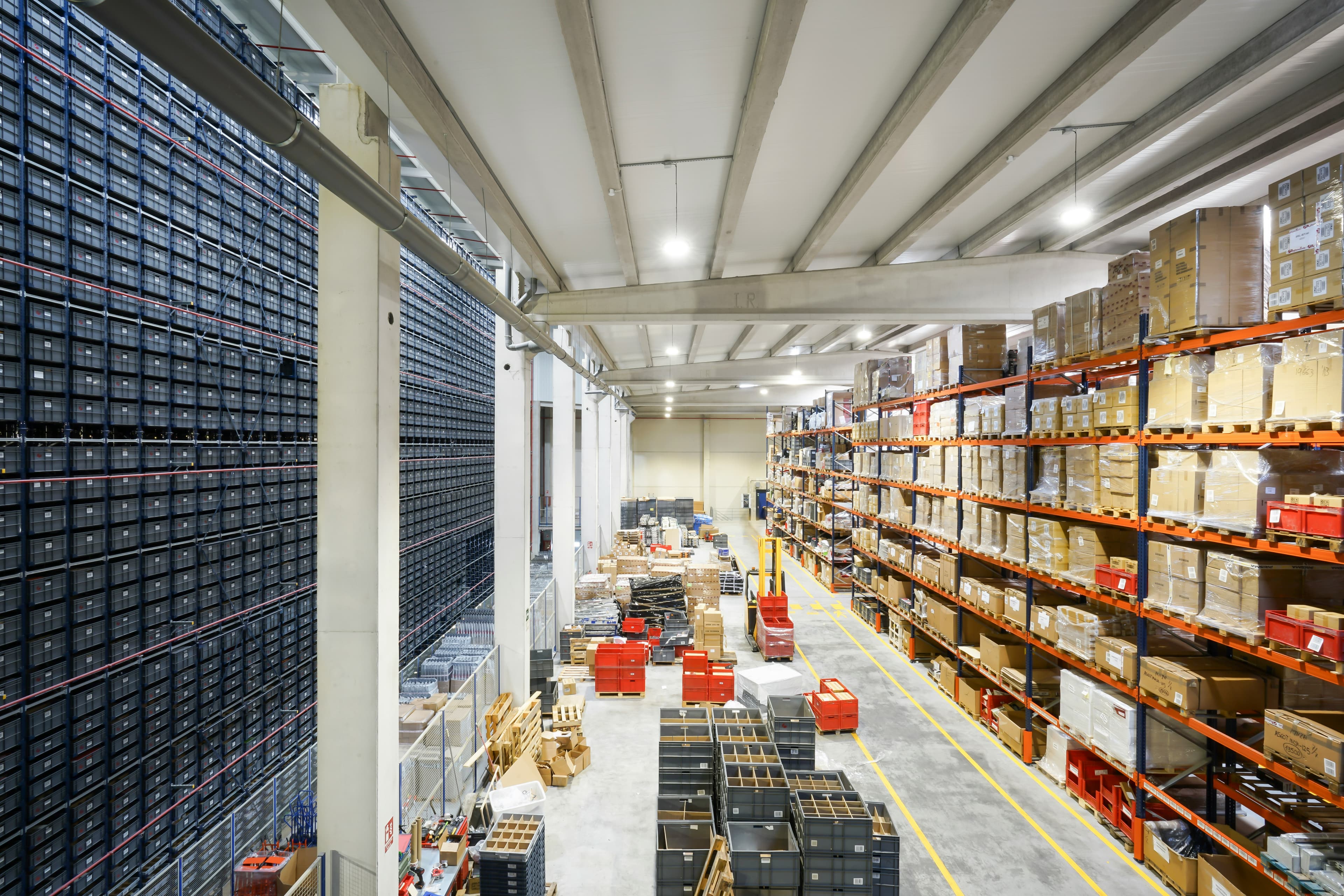
Rotterdam's bonded warehousing lets a private label buyer hold consolidated inventory duty-free before final distribution, which is particularly useful for a private label programme supplying several EU markets from shared production — deferring duty until product actually moves to its specific destination market. This can meaningfully improve cash flow for a buyer holding inventory across several destination markets simultaneously.
MOQ planning for a Netherlands-routed private label launch
Standard private label MOQ guidance applies (see our MOQ guide), though buyers consolidating multiple EU markets' volume through a single Netherlands-routed order may be able to combine volume across destination markets to reach a more favourable MOQ tier than sourcing separately per country. Raise this consolidation option directly with the manufacturer during initial scoping.
Evaluating a manufacturer's multi-market EU logistics capability
Ask a prospective manufacturer specifically about their experience supporting a private label programme with Rotterdam-routed, multi-destination EU distribution — this is a more specific logistics and packaging-coordination capability than single-market private label supply. A manufacturer that can describe how they've handled market-specific labelling within one consolidated order is a stronger signal than general EU export capability alone.
Ready to move forward?
Connect with our team to structure your order, timeline and volumes.
Timeline expectations for a Netherlands-routed launch
Beyond the standard 6-10 week formulation-to-production timeline, a multi-market programme routed through the Netherlands needs additional planning time for market-specific labelling coordination and bonded warehousing logistics setup, particularly for a first multi-country launch spanning several destination markets at once.
Exclusivity across a multi-market EU private label programme
Formulation exclusivity gets more complex for a Netherlands-routed programme covering several EU markets — confirm whether exclusivity terms apply per country, across the whole EU, or only within specific retail channels in each market, since a manufacturer might reasonably agree to exclusivity in one destination market but not another depending on their existing client relationships there. Buyers should map out exactly which markets need exclusivity protection before finalising the production agreement, rather than assuming a single exclusivity clause automatically covers every country the product will eventually reach.
How Candora Petcare supports private label launches via the Netherlands
Candora Petcare coordinates Rotterdam-routed logistics, market-specific labelling, and bonded warehousing planning for buyers building a private label pet food programme intended for Dutch domestic or wider multi-market EU distribution.
FAQ
Frequently asked questions
Rotterdam's port infrastructure and bonded warehousing let a buyer consolidate import documentation once and distribute onward to multiple EU markets, rather than managing entirely separate entry points per country.
21%, the standard rate, as of 1 January 2025 — up from a previous reduced rate of 9%. This applies to Dutch domestic sales specifically, distinct from other EU destination markets' own VAT treatment.
Yes — plan labelling per destination market from the outset: Dutch-language content for domestic Dutch sales, and each other target market's own language and statutory requirements for product continuing onward.
It lets a buyer hold consolidated inventory duty-free before final distribution, deferring duty until product actually moves to its specific destination market — genuinely useful when supplying several EU markets from shared production.
Often yes — consolidating multiple destination markets' volume through a single Netherlands-routed order can reach a more favourable MOQ tier than sourcing separately for each country individually.
Their specific experience supporting a private label programme with Rotterdam-routed, multi-destination EU distribution — a more specific capability than single-market private label supply.
Ready to get started?
Contact our team to discuss volumes, pricing, and supply structures for your market.