Sourcing Pet Food via the UK vs. the Netherlands: A Buyer's Comparison
Since Brexit, sourcing pet food via the UK and sourcing via the Netherlands are genuinely different logistics and compliance decisions, not two interchangeable European entry points. The UK now runs its own separate import control system outside the EU single market, while the Netherlands — anchored by Rotterdam, Europe's largest port — functions as a gateway where goods clear once and then move freely across the entire EU. This guide compares the two paths for a buyer deciding where to route a new European program.

Two fundamentally different post-Brexit positions
The UK's departure from the EU single market means UK-bound pet food now follows its own dedicated import process, entirely separate from the EU-wide system — even for shipments originating in the EU. The Netherlands remains fully inside the EU single market, and its Rotterdam-centred logistics infrastructure is specifically built around consolidating goods for onward distribution across the whole bloc. A buyer choosing between the two isn't choosing between two similar EU entry points — they're choosing between a single-market destination and a multi-market gateway.
IPAFFS: the UK's standalone import control system
IPAFFS (Import of Products, Animals, Food and Feed System) is the UK's own digital pre-arrival notification platform, required for pet food and other animal-origin products entering Great Britain from both EU and non-EU countries alike, generally at least one working day before arrival. Pet food classified as medium or high risk also needs a health certificate on official UK model templates, which are not interchangeable with EU-format certificates even for EU-origin product. See our UK market guide for the full country-level detail on documentation and lead-time planning.

Rotterdam's role as a clear-once, distribute-everywhere EU gateway
The Port of Rotterdam is Europe's largest port by cargo tonnage, with bonded warehousing that lets buyers defer duty on goods intended for multiple EU destination markets, and extensive road, rail, and inland waterway connections deep into the continent. Product entering the EU through Rotterdam and clearing TRACES NT / CHED-P controls there can then move freely to any other EU member state as a straightforward intra-EU shipment — no repeated customs clearance per destination country. See our Netherlands market guide for the full logistics detail.
VAT and tax treatment: UK 20% vs. Dutch 21%
UK pet food is standard-rated at 20% VAT, with a narrow exception for food formulated and sold exclusively for working dogs. The Netherlands raised its pet food VAT from a reduced 9% to the standard 21% rate as of 1 January 2025, reclassifying pet food as a non-essential good — a meaningful, relatively recent shift buyers should build into current Dutch pricing models rather than relying on pre-2025 references. The two rates land close together, but the underlying logic differs: the UK rate reflects standard general-goods treatment, while the Dutch rate reflects a deliberate recent reclassification.
Have questions before you keep reading?
Get pricing, MOQs and lead times for your market.
Customs treatment: a one-time UK process vs. a distributable EU clearance
Every UK-bound shipment needs its own IPAFFS notification and, where applicable, UK-format health certification — a process specific to the UK destination market and not transferable to onward EU distribution. Clearing an EU Border Control Post via the Netherlands, by contrast, is effectively a one-time customs event for goods that will then move to several EU markets, since intra-EU movement doesn't require repeated clearance. For a buyer planning to distribute into more than one country, this structural difference alone can materially change total landed cost and process complexity between the two routes.
Buyer profile: UK-only distributor
A buyer whose distribution footprint is genuinely UK-only — selling exclusively into Great Britain with no near-term plans for EU expansion — is generally best served sourcing and importing directly into the UK via IPAFFS, without adding the complexity of routing through an EU gateway they don't otherwise need. This buyer should prioritise a manufacturer or freight partner with specific, current IPAFFS experience over one with only general EU export credentials.
Buyer profile: pan-EU distributor
A buyer building a multi-country EU distribution program — even one where Germany or another single market is the largest individual destination — should specifically evaluate routing through the Netherlands rather than treating each EU destination market as its own separate entry point. Rotterdam's bonded warehousing and onward multimodal connections are built precisely for this use case, and the cost and complexity savings compound with each additional EU market a program covers.
Ready to move forward?
Connect with our team to structure your order, timeline and volumes.
Buyers who need both the UK and the EU
Since the UK sits fully outside the EU's single market post-Brexit, a buyer targeting both the UK and continental EU markets needs genuinely separate compliance and logistics workstreams — a Netherlands-routed EU program does not cover UK distribution, and a UK-focused IPAFFS program does not extend into the EU. Treating the two as one combined 'Europe' program is a common and costly planning mistake; budget and lead-time plan them independently even if working with the same underlying manufacturer.
Lead time comparison
A first UK shipment typically needs more schedule buffer for IPAFFS notification timing and potential Border Control Post inspection, particularly while a new supplier's UK documentation process is still being established. A Netherlands-routed EU shipment's initial clearance carries its own lead time, but subsequent onward movement to other EU markets is comparatively fast once bonded warehousing and intra-EU transport are in place, since there's no repeated customs step per destination market.
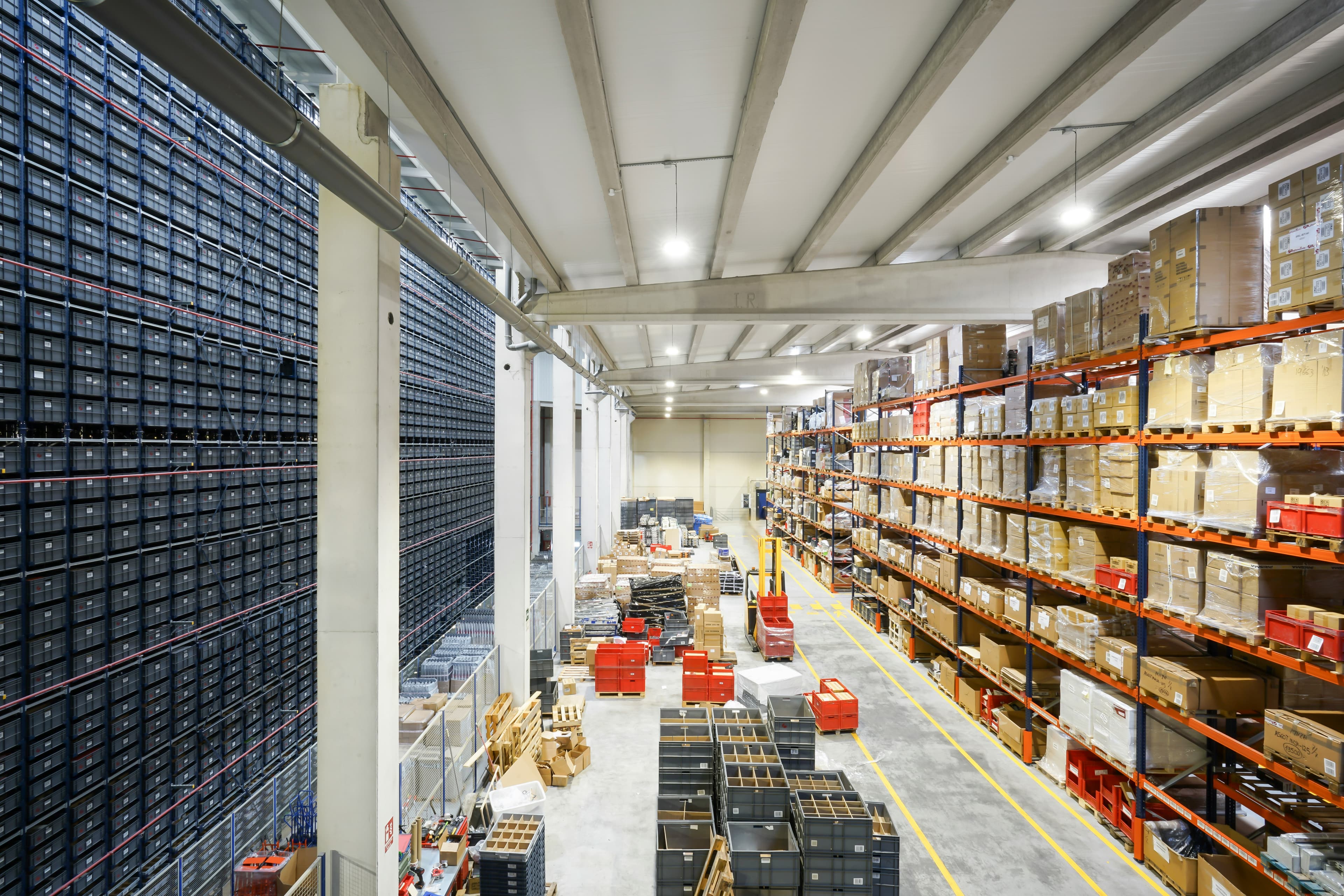
How Candora Petcare supports buyers choosing between the UK and the Netherlands
Candora Petcare coordinates IPAFFS notification and UK-format certification for UK-bound programs, and TRACES NT/CHED-P clearance plus Rotterdam-routed logistics planning for pan-EU programs through the Netherlands — helping buyers model both routes with real documentation and lead-time detail before committing to one. See our UK and Netherlands market guides, and our dog food, cat food, and private label guides for each country, for category-specific next steps.
FAQ
Frequently asked questions
No — since Brexit, the UK runs its own separate IPAFFS import control system outside the EU single market, while the Netherlands remains fully inside the EU and functions as a gateway where goods clear once and move freely across the whole bloc.
The UK's Import of Products, Animals, Food and Feed System — the mandatory digital pre-arrival notification platform for pet food and other animal-origin products entering Great Britain from any origin, generally required at least one working day before arrival.
Rotterdam's port infrastructure and bonded warehousing let a buyer clear EU import controls once and then distribute across multiple EU member states as intra-EU movement, rather than clearing customs separately in each destination market.
The UK applies its standard 20% VAT rate to pet food, with a narrow working-dog-food exception. The Netherlands raised pet food VAT from a reduced 9% to the standard 21% rate as of 1 January 2025.
No — the UK sits fully outside the EU single market post-Brexit, so a Netherlands-routed program does not extend into the UK. Buyers targeting both need genuinely separate compliance and logistics workstreams.
Direct UK sourcing via IPAFFS, without adding the complexity of an EU gateway route that isn't otherwise needed — prioritise a supplier with specific, current IPAFFS experience.
Routing through the Netherlands, leveraging Rotterdam's bonded warehousing and multimodal EU connections, especially for programs covering more than one EU destination market.
Ready to get started?
Contact our team to discuss volumes, pricing, and supply structures for your market.
Related