Pet Food Wholesale in Australia: What Buyers Should Know
Nearly three-quarters of Australian households own a pet, and the country's pet food market is worth roughly AU$3.79 billion a year — a large, mature market, but one gated by some of the strictest biosecurity import rules in the world. This guide covers what actually matters sourcing into Australia: BICON clearance, GST treatment, Port of Melbourne's logistics role, and the market's genuine scale.

A large, mature pet food market
Around 73% of Australian households own at least one pet — an estimated 31.6 million pets across 7.7 million households, including 7.3 million dogs (49% of households) and 5.8 million cats (34% of households). Australians spend an estimated AU$21.3 billion a year on their pets, with food representing 46% of that spend, putting the pet food market at roughly AU$3.79 billion annually. This is a genuinely large, established market, not an emerging one.
BICON: the gate every shipment has to pass through
Australia's Biosecurity Import Conditions system (BICON) governs what can enter the country and under what conditions, and pet food, treats, chews, rawhide, and similar animal-derived products are very likely to require biosecurity clearance and, in many cases, a specific import permit. This isn't a formality — Australia runs one of the strictest biosecurity regimes in the world, and buyers should check BICON for the exact conditions on their specific product before committing to an order, not after.
GST treatment: pet food is not GST-free
Australia's human food is broadly GST-free, which trips up buyers who assume pet food follows the same treatment — it doesn't. Pet food is subject to the standard 10% GST rate, calculated on the product's value plus duty and freight costs, on top of a typical import customs duty of around 5%. Build the full landed-cost stack — duty, then GST on top of value-plus-duty-plus-freight — into Australian pricing models explicitly.
Port of Melbourne: Australia's primary container gateway
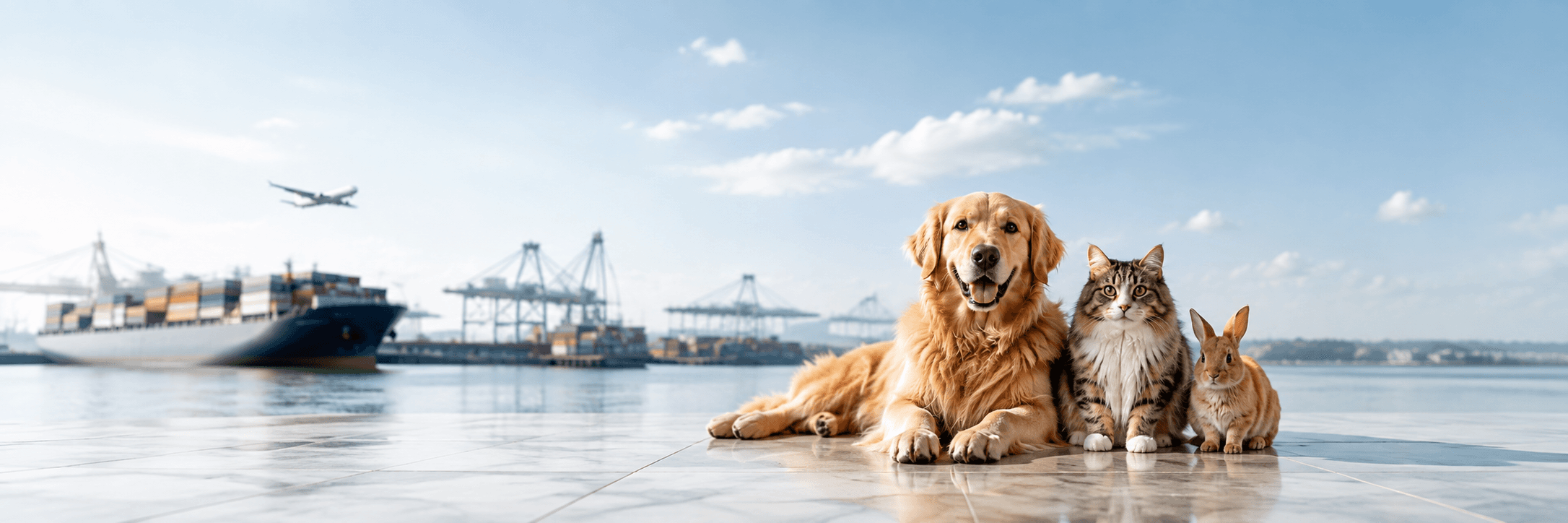
The Port of Melbourne is Australia's largest container and general cargo port, handling a record 3.5 million TEUs in 2025 and around 36% of the nation's total container traffic — making it the natural default gateway for most pet food shipments into the Australian market, regardless of where in the country final distribution is headed.
Have questions before you keep reading?
Get pricing, MOQs and lead times for your market.
Cats vs. dogs in the Australian household
Dogs remain Australia's most popular pet at 49% of households, ahead of cats at 34% — a dog-led market, unlike several of the European and Gulf markets covered elsewhere on this site where cats lead. Buyers should weight an Australian product mix toward dog food accordingly, without neglecting the still-substantial 5.8 million-cat category.
Planning around biosecurity timelines, not just cost
Because BICON clearance and any required import permits can add real time to a shipment's journey — separate from the commercial and freight timeline — buyers new to the Australian market should treat biosecurity lead time as its own planning variable, not something to estimate loosely alongside standard shipping time. A pilot shipment through the BICON process is a sensible way to learn the actual timeline for a specific product before scaling to full container volume.
Format and packaging considerations for a first Australian shipment
Confirm with a manufacturer which dry kibble and wet formats, and which pack sizes, are already validated for Australian retail and consumer expectations before finalising a first order — Australia's format mix and portion-size conventions don't always transfer directly from a European or North American product line. A palletised pilot order, cleared through BICON, is a sensible way to validate both the biosecurity process itself and the product's fit for Australian shelf sets before committing to full container volume through the Port of Melbourne — see our bulk pet food container programme guide for how that progression typically works once the biosecurity side is de-risked.
Ready to move forward?
Connect with our team to structure your order, timeline and volumes.
Common mistakes buyers make entering the Australian market
The most common mistake is assuming pet food shares Australia's GST-free treatment for human food — it doesn't, and the gap can meaningfully distort a margin projection built on that wrong assumption. A second is underestimating BICON's role and treating it as a routine customs step rather than a substantive biosecurity clearance process with its own timeline and potential product-specific conditions. A third is defaulting to a cat-forward product mix carried over from a European market, when Australia's household pet-ownership pattern is dog-led.
How Candora Petcare supports sourcing into Australia
Candora Petcare coordinates BICON biosecurity clearance guidance, GST-inclusive landed-cost modelling, and Port of Melbourne-routed logistics for buyers building an Australian pet food wholesale programme, from a first pilot shipment through to recurring container volume.
FAQ
Frequently asked questions
No — Australia's broadly GST-free treatment for human food does not extend to pet food, which is subject to the standard 10% GST rate, calculated on value plus duty and freight.
BICON (Biosecurity Import Conditions) is Australia's system governing what can be imported and under what conditions. Pet food, treats, chews, and rawhide are very likely to require biosecurity clearance and often a specific import permit — check BICON before ordering, not after.
Roughly AU$3.79 billion annually, part of an estimated AU$21.3 billion in total annual pet spending, with 73% of Australian households owning at least one pet.
Dogs — 49% of Australian households own a dog (7.3 million dogs nationally) versus 34% owning a cat (5.8 million cats), a dog-led market.
The Port of Melbourne is Australia's largest container and general cargo port, handling around 36% of the nation's container traffic — the natural default gateway for most shipments.
Typically around 5% customs duty on the value of the goods, with 10% GST then calculated on top of value plus duty plus freight — build the full stack into landed-cost models.
Ready to get started?
Contact our team to discuss volumes, pricing, and supply structures for your market.
Related
Explore more
Bulk Wholesale
Bulk Pet Food Container Programmes: How FCL Sourcing Works
Bulk Wholesale
Pet Food FCL Shipping: Freight and Logistics for Wholesale Buyers
Private Label
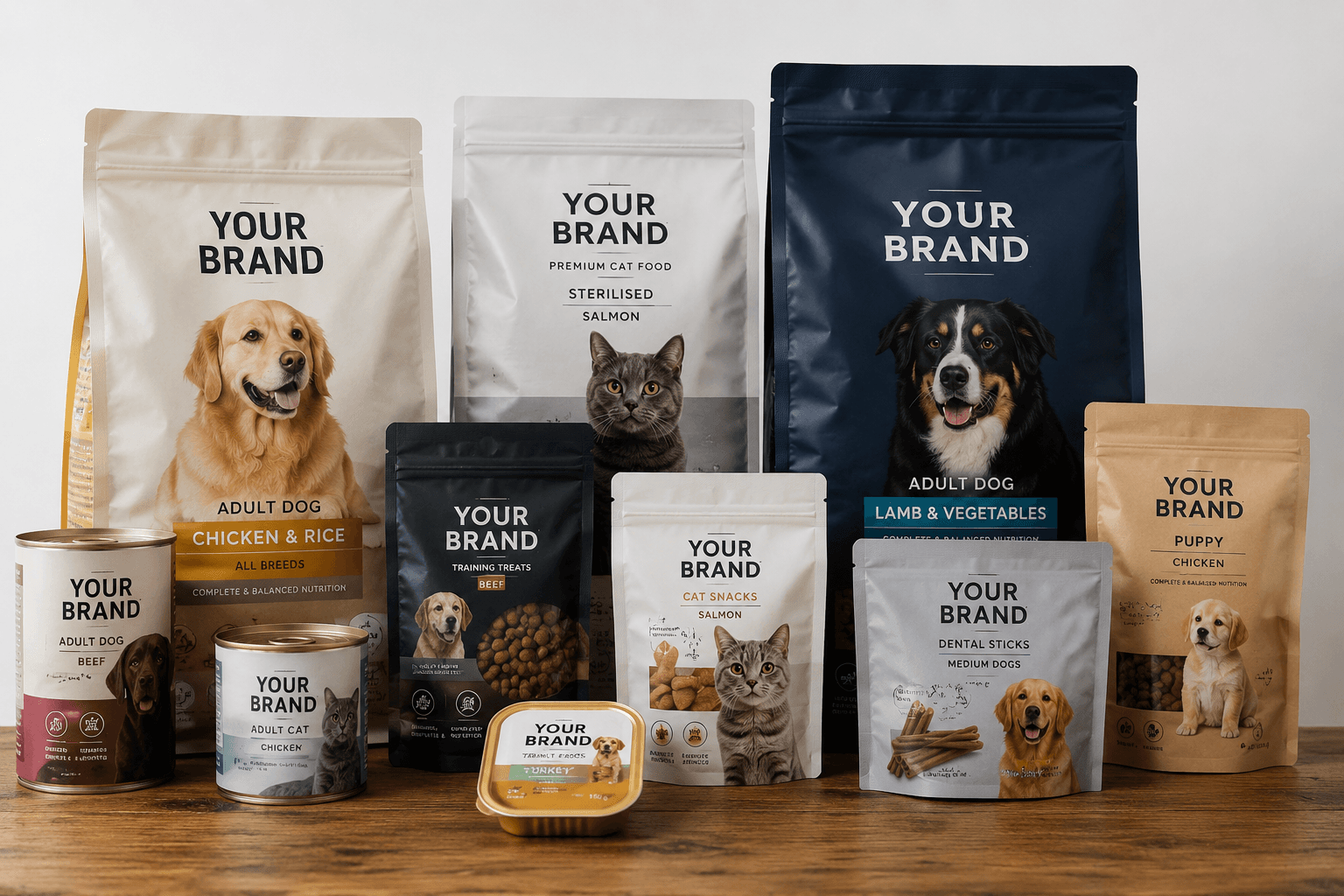
Private Label Pet Food: The Complete Manufacturer Guide
Dog Food
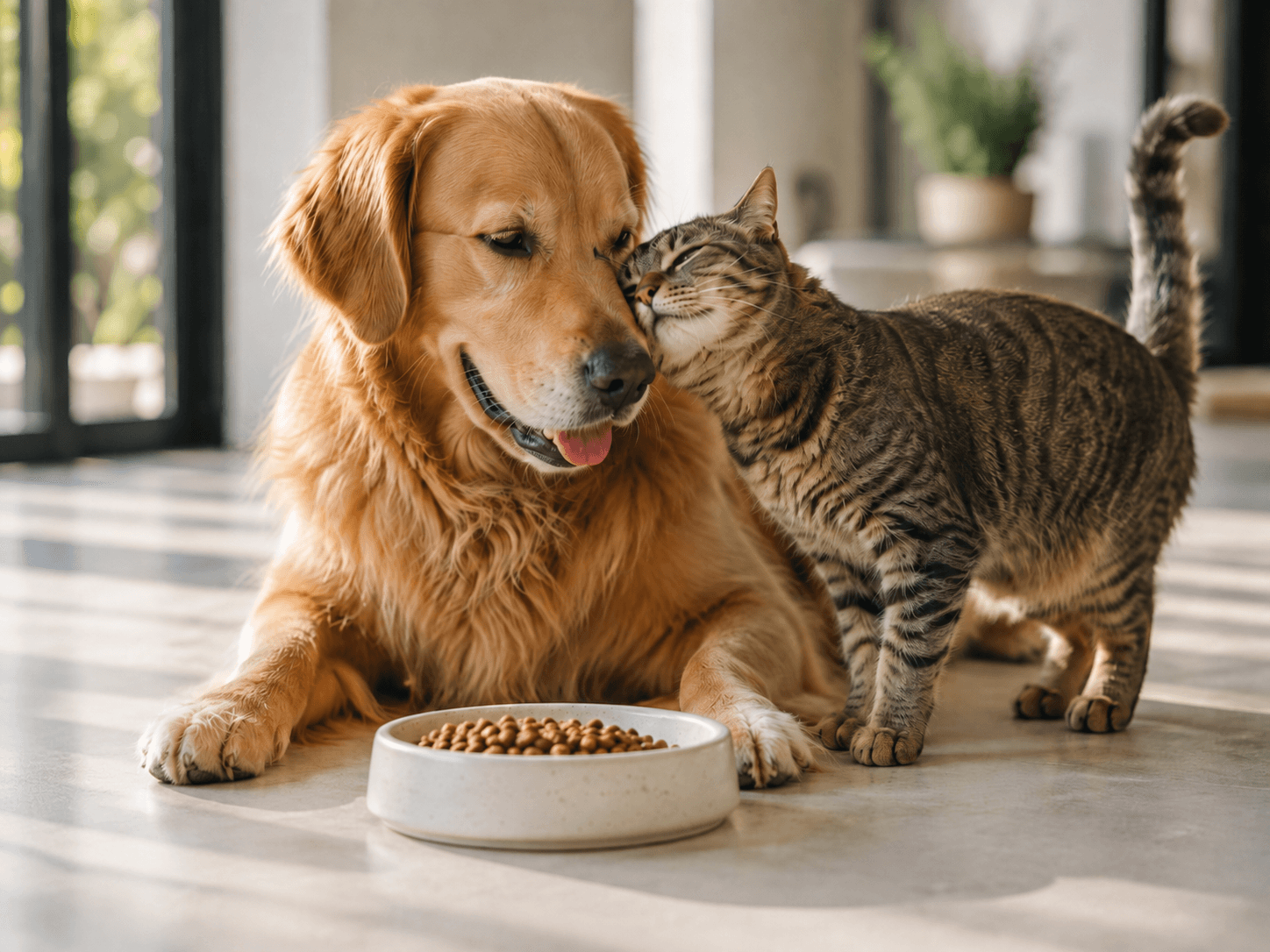
Dog Food Bulk Wholesale: Container Economics and Programme Structure
Freeze-Dried & Raw
Freeze-Dried vs. Raw vs. Kibble: Comparing Formats for Wholesale Sourcing